Blab Business
European Utility Signals Interest in Canadas Ksi Lisims LNG Project
A European public‑utility company has expressed interest in purchasing liquefied natural gas (LNG) from the Ksi Lisims LNG project, a new export facility slated for Pearse Island on British Columbia’s north‑west coast. The inquiry was reported in a brief industry note and has not yet been followed by a formal contract.
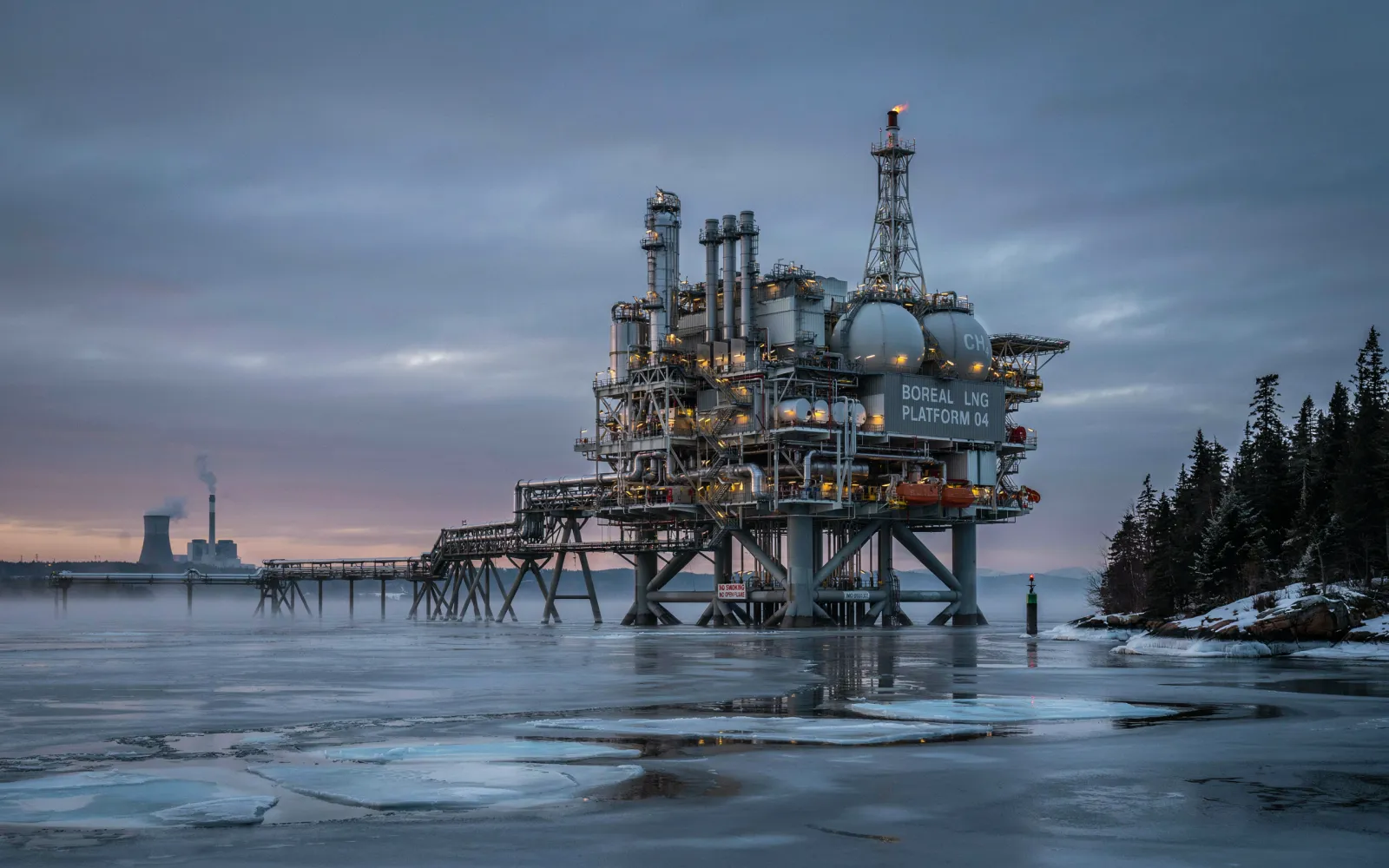
The Ksi Lisims project is a 12‑million‑tonne‑per‑year facility that will liquefy natural gas sourced from the region’s fracked fields and ship it to Asian markets. The project is owned by a consortium led by Rockies LNG and Western LNG, and is backed by the Nisga’a Nation, whose traditional territory includes the Ksi Gingolx and Ksi X’anmas watersheds. According to the project’s website, the plant will cool gas to below –160 °C before loading it into tankers that are roughly the size of two football fields.
In July 2021, the consortium announced the re‑branding of the venture to Ksi Lisims LNG Terminal. The project received an environmental assessment certificate in 2024, a requirement for all major LNG export facilities in British Columbia. The certificate confirmed that the project meets provincial environmental standards and that the Nisga’a Nation has provided consent.
The potential European buyer is not named in the source material. The statement that a “European utility” is interested appears to be a preliminary indication of demand rather than a binding offer. No details have been released about the size of the purchase, the duration of the agreement, or the pricing mechanism.
Ksi Lisims is part of a broader wave of LNG projects in northern British Columbia. The province is home to the LNG Canada terminal in Kitimat, a 40‑billion‑Canadian‑dollar investment that began construction in 2018 and is expected to be operational in 2025. Other projects, such as the Woodfibre LNG facility on Squamish’s traditional territory, are also under development.
Europe has been a growing market for Canadian LNG. In 2025, Germany signed a long‑term purchase agreement for LNG from British Columbia, a deal that was highlighted in a government briefing. The agreement was described as a “landmark” for Canada’s export strategy, although analysts noted that the actual volume of gas shipped to Germany has been modest.
The interest from a European utility underscores the continued demand for lower‑carbon LNG in Asia and Europe. According to industry data, Asia accounts for roughly 70 % of global LNG imports, with China, Japan, and South Korea as the largest buyers. The Ksi Lisims project is designed to tap this market, and its partnership with the Nisga’a Nation positions it as a community‑supported export facility.
At present, the Ksi Lisims consortium has not announced any formal agreements with European buyers. The utility’s inquiry is the first public indication that the project may attract buyers outside of Asia. The consortium’s next steps will likely involve detailed negotiations, pricing discussions, and alignment with the project’s supply‑chain logistics.
The project’s progress will be monitored through the Canadian federal government’s “Nation‑Building Projects” list, which includes Ksi Lisims and the North Coast Transmission Line. The federal government announced in November 2025 that it would expedite approvals for both projects.
In summary, a European utility has expressed interest in purchasing LNG from the Ksi Lisims project, a 12‑million‑tonne‑per‑year facility on Pearse Island that is backed by the Nisga’a Nation and has received environmental approval. No formal agreement has been announced, and the consortium is expected to engage in further negotiations before any contract is signed.
The Ksi Lisims project is a 12‑million‑tonne‑per‑year facility that will liquefy natural gas sourced from the region’s fracked fields and ship it to Asian markets. The project is owned by a consortium led by Rockies LNG and Western LNG, and is backed by the Nisga’a Nation, whose traditional territory includes the Ksi Gingolx and Ksi X’anmas watersheds. According to the project’s website, the plant will cool gas to below –160 °C before loading it into tankers that are roughly the size of two football fields.
In July 2021, the consortium announced the re‑branding of the venture to Ksi Lisims LNG Terminal. The project received an environmental assessment certificate in 2024, a requirement for all major LNG export facilities in British Columbia. The certificate confirmed that the project meets provincial environmental standards and that the Nisga’a Nation has provided consent.
The potential European buyer is not named in the source material. The statement that a “European utility” is interested appears to be a preliminary indication of demand rather than a binding offer. No details have been released about the size of the purchase, the duration of the agreement, or the pricing mechanism.
Ksi Lisims is part of a broader wave of LNG projects in northern British Columbia. The province is home to the LNG Canada terminal in Kitimat, a 40‑billion‑Canadian‑dollar investment that began construction in 2018 and is expected to be operational in 2025. Other projects, such as the Woodfibre LNG facility on Squamish’s traditional territory, are also under development.
Europe has been a growing market for Canadian LNG. In 2025, Germany signed a long‑term purchase agreement for LNG from British Columbia, a deal that was highlighted in a government briefing. The agreement was described as a “landmark” for Canada’s export strategy, although analysts noted that the actual volume of gas shipped to Germany has been modest.
The interest from a European utility underscores the continued demand for lower‑carbon LNG in Asia and Europe. According to industry data, Asia accounts for roughly 70 % of global LNG imports, with China, Japan, and South Korea as the largest buyers. The Ksi Lisims project is designed to tap this market, and its partnership with the Nisga’a Nation positions it as a community‑supported export facility.
At present, the Ksi Lisims consortium has not announced any formal agreements with European buyers. The utility’s inquiry is the first public indication that the project may attract buyers outside of Asia. The consortium’s next steps will likely involve detailed negotiations, pricing discussions, and alignment with the project’s supply‑chain logistics.
The project’s progress will be monitored through the Canadian federal government’s “Nation‑Building Projects” list, which includes Ksi Lisims and the North Coast Transmission Line. The federal government announced in November 2025 that it would expedite approvals for both projects.
In summary, a European utility has expressed interest in purchasing LNG from the Ksi Lisims project, a 12‑million‑tonne‑per‑year facility on Pearse Island that is backed by the Nisga’a Nation and has received environmental approval. No formal agreement has been announced, and the consortium is expected to engage in further negotiations before any contract is signed.