Blab Business
Meta and Best Buy Launch 50-Store Meta Lab @ Best Buy to Let Shoppers Try AI Glasses and VR Headsets
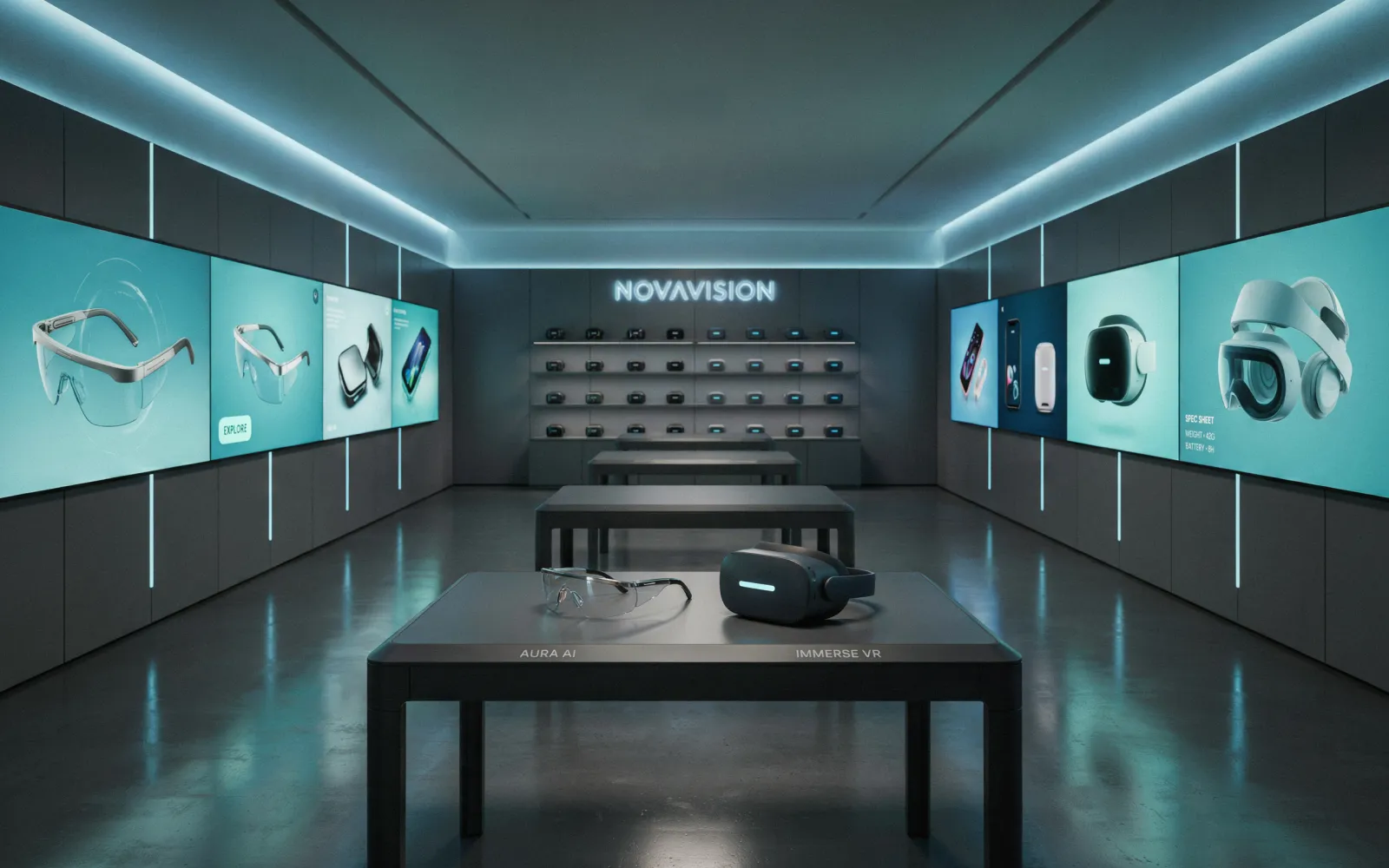
On June 8, Meta Platforms and Best Buy unveiled a bold new experiment that will bring the future of tech into the aisles of America’s biggest electronics retailer. The two companies announced plans to open 50 experiential spaces—each 900 square feet—inside Best Buy stores nationwide. Dubbed “Meta Lab @ Best Buy,” the spaces will let shoppers try Meta’s VR headsets and AI smart glasses in person.
The partnership builds on Meta’s existing Meta Lab stores, where consumers can test the Ray‑Ban Meta smart glasses and Quest VR headsets. Meta said the new Best Buy locations will serve as data collection points, allowing the company to observe how customers interact with the devices and refine the retail experience.
Christa Wittenberg, Meta’s vice‑president of global retail sales, described the spaces as “immersive, hands‑on spaces built for real discovery” and added that the company wants shoppers to “walk in curious and leave genuinely excited.” She noted that the glasses were designed to be worn and explored firsthand, a response to a survey that found more than half of Best Buy shoppers want to see Meta’s AI glasses in person before buying.
Best Buy’s chief merchandising officer, Patrick McGinnis, said the partnership gives the retailer a unique offering. “Meta Lab @ Best Buy is an experience customers can’t find at any other retailer and sets a new standard for how our customers will explore, play with and discover the latest cutting‑edge tech,” he said.
The first five stores to host a Meta Lab are in San Carlos, California; Roseville, Minnesota; Woodland Park, New Jersey; Greenville, South Carolina; and Columbus, Ohio. Best Buy plans to add the remaining locations throughout the summer.
Meta already operates five Meta Lab stores nationwide. Earlier this year the company said it would share insights from those locations with its retail partners. “We can see what’s drawing people in, and if the layout is confusing, we’ll fix it,” Meta’s Nicola Mendelsohn, head of global business group, told a Retail Touchpoints report.
Inside the Meta Lab, shoppers will encounter the full Meta product lineup, including the Ray‑Ban Meta smart glasses—equipped with a Qualcomm Snapdragon AR1 processor, 12‑MP cameras, and Meta AI integration—and the Quest 3 and Quest 3S VR headsets, which run on Meta’s Horizon OS. Earlier PYMNTS coverage noted that large‑language models are turning AR glasses into “intelligent companions,” offering real‑time assistance such as conversation summarization, language translation, and contextual prompts.
Industry observers say the move reflects a broader shift toward experiential retail, where consumers increasingly expect to try products before buying. The partnership also positions Meta to compete with other smart‑glasses makers such as Google and Snap, while strengthening its presence in the consumer hardware market.
Meta’s strategy to embed its devices in mainstream retail channels comes as the company continues to invest heavily in research and development. Meta’s Reality Labs division, which produces the Quest line and the Ray‑Ban Meta glasses, has been a key focus of the company’s metaverse‑related initiatives.
At present, the Meta Lab @ Best Buy rollout is limited to the 50 planned stores, with no announced plans for additional retailers or international expansion. Meta has not disclosed any financial terms for the partnership. The next public update on the initiative will likely come in the company’s Q3 earnings call, where it may discuss customer adoption metrics and future retail collaborations.
The partnership represents a concrete step for Meta to bring its AI and VR products into everyday shopping environments, addressing consumer demand for hands‑on experience and potentially accelerating adoption of wearable AI technology.
The partnership builds on Meta’s existing Meta Lab stores, where consumers can test the Ray‑Ban Meta smart glasses and Quest VR headsets. Meta said the new Best Buy locations will serve as data collection points, allowing the company to observe how customers interact with the devices and refine the retail experience.
Christa Wittenberg, Meta’s vice‑president of global retail sales, described the spaces as “immersive, hands‑on spaces built for real discovery” and added that the company wants shoppers to “walk in curious and leave genuinely excited.” She noted that the glasses were designed to be worn and explored firsthand, a response to a survey that found more than half of Best Buy shoppers want to see Meta’s AI glasses in person before buying.
Best Buy’s chief merchandising officer, Patrick McGinnis, said the partnership gives the retailer a unique offering. “Meta Lab @ Best Buy is an experience customers can’t find at any other retailer and sets a new standard for how our customers will explore, play with and discover the latest cutting‑edge tech,” he said.
The first five stores to host a Meta Lab are in San Carlos, California; Roseville, Minnesota; Woodland Park, New Jersey; Greenville, South Carolina; and Columbus, Ohio. Best Buy plans to add the remaining locations throughout the summer.
Meta already operates five Meta Lab stores nationwide. Earlier this year the company said it would share insights from those locations with its retail partners. “We can see what’s drawing people in, and if the layout is confusing, we’ll fix it,” Meta’s Nicola Mendelsohn, head of global business group, told a Retail Touchpoints report.
Inside the Meta Lab, shoppers will encounter the full Meta product lineup, including the Ray‑Ban Meta smart glasses—equipped with a Qualcomm Snapdragon AR1 processor, 12‑MP cameras, and Meta AI integration—and the Quest 3 and Quest 3S VR headsets, which run on Meta’s Horizon OS. Earlier PYMNTS coverage noted that large‑language models are turning AR glasses into “intelligent companions,” offering real‑time assistance such as conversation summarization, language translation, and contextual prompts.
Industry observers say the move reflects a broader shift toward experiential retail, where consumers increasingly expect to try products before buying. The partnership also positions Meta to compete with other smart‑glasses makers such as Google and Snap, while strengthening its presence in the consumer hardware market.
Meta’s strategy to embed its devices in mainstream retail channels comes as the company continues to invest heavily in research and development. Meta’s Reality Labs division, which produces the Quest line and the Ray‑Ban Meta glasses, has been a key focus of the company’s metaverse‑related initiatives.
At present, the Meta Lab @ Best Buy rollout is limited to the 50 planned stores, with no announced plans for additional retailers or international expansion. Meta has not disclosed any financial terms for the partnership. The next public update on the initiative will likely come in the company’s Q3 earnings call, where it may discuss customer adoption metrics and future retail collaborations.
The partnership represents a concrete step for Meta to bring its AI and VR products into everyday shopping environments, addressing consumer demand for hands‑on experience and potentially accelerating adoption of wearable AI technology.