Blab Business
TSMC Accelerates Fab Expansion and Partners with NVIDIA to Deploy Vision AI in Chip Production
TSMC is doubling down on its fab expansion and teaming up with NVIDIA to bring vision AI into its cleanrooms. On May 28 2026, the company announced at its 2026 Technology Symposium that it will double the pace of its new fabrication‑plant rollout and broaden its global footprint, using AI‑driven tools to lift output at its most advanced nodes.
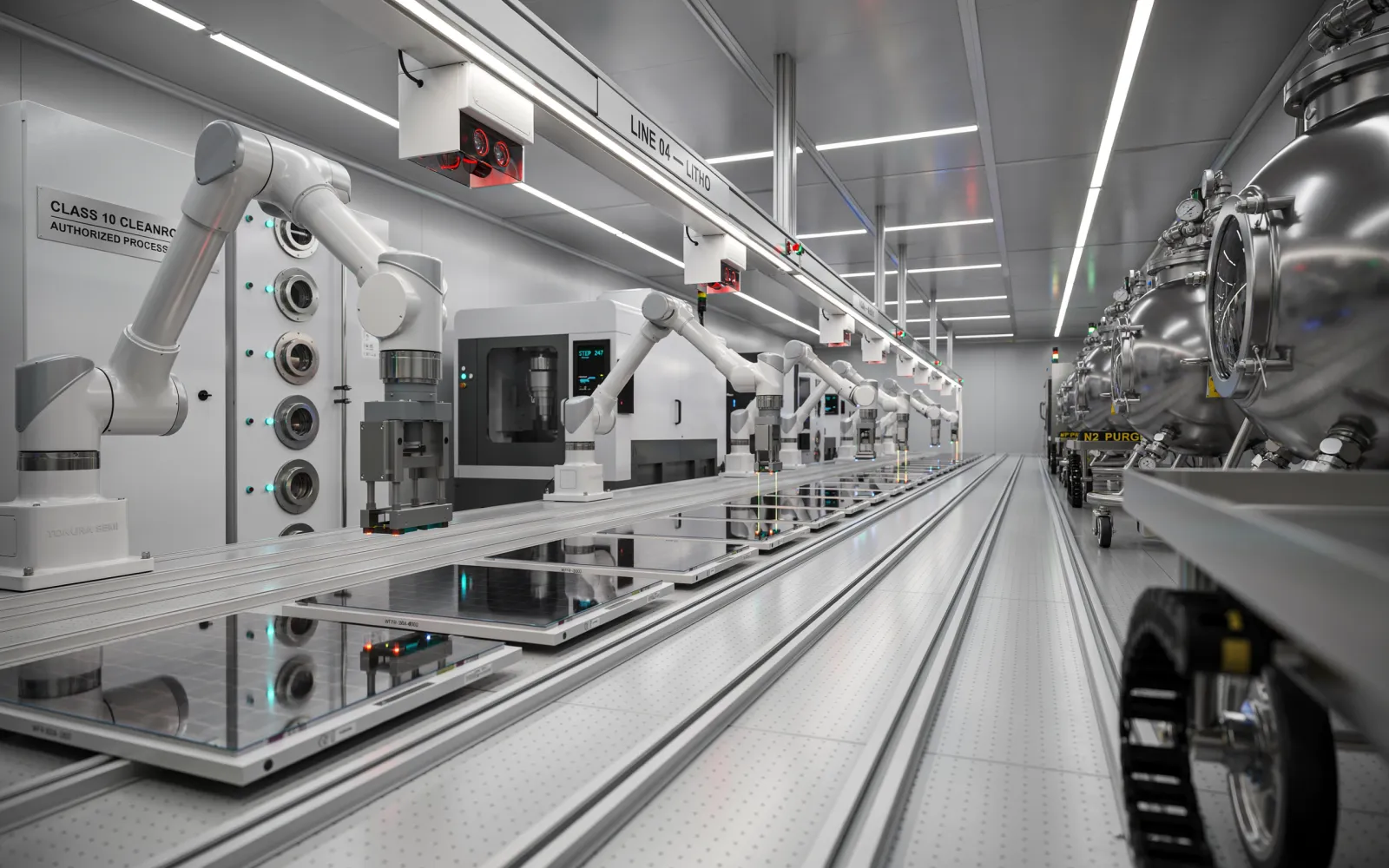
Three days later, on May 31 2026, NVIDIA confirmed a partnership with TSMC that will weave NVIDIA’s AI models, CUDA‑X libraries, Metropolis, and TAO Toolkit into the company’s fab workflows. The collaboration is designed to bring vision AI into the cleanroom to automate defect inspection and to optimize lithography, simulations, and process control.
"By using NVIDIA accelerated computing and AI across fab operations, optimization, lithography, process control and inspection, TSMC is strengthening our technology leadership and manufacturing excellence to support our customers’ future products and success," said TSMC’s chairman and chief executive, C.C. Wei.
Founded in 1987, TSMC remains the world’s leading dedicated semiconductor foundry. It supplies integrated circuits and wafer‑level devices to a broad customer base that includes Nvidia, Apple, Broadcom and Qualcomm. In 2025, the company accounted for roughly 70 % of the global foundry market share, cementing its role in the AI chip boom.
At the symposium, TSMC highlighted several key initiatives. The company announced that it will accelerate its new fab expansion at an unprecedented 2× pace, adding capacity for its 3‑nanometer (N3), 5‑nanometer (N5) and 7‑nanometer (N7) nodes. It also introduced its Super GIGAFABS operations, a coordinated management system for large‑scale fabs, and a capacity‑fungibility strategy that allows production to shift between nodes to meet demand. AI‑driven technologies are being deployed across the production chain to improve yield and reduce cycle times.
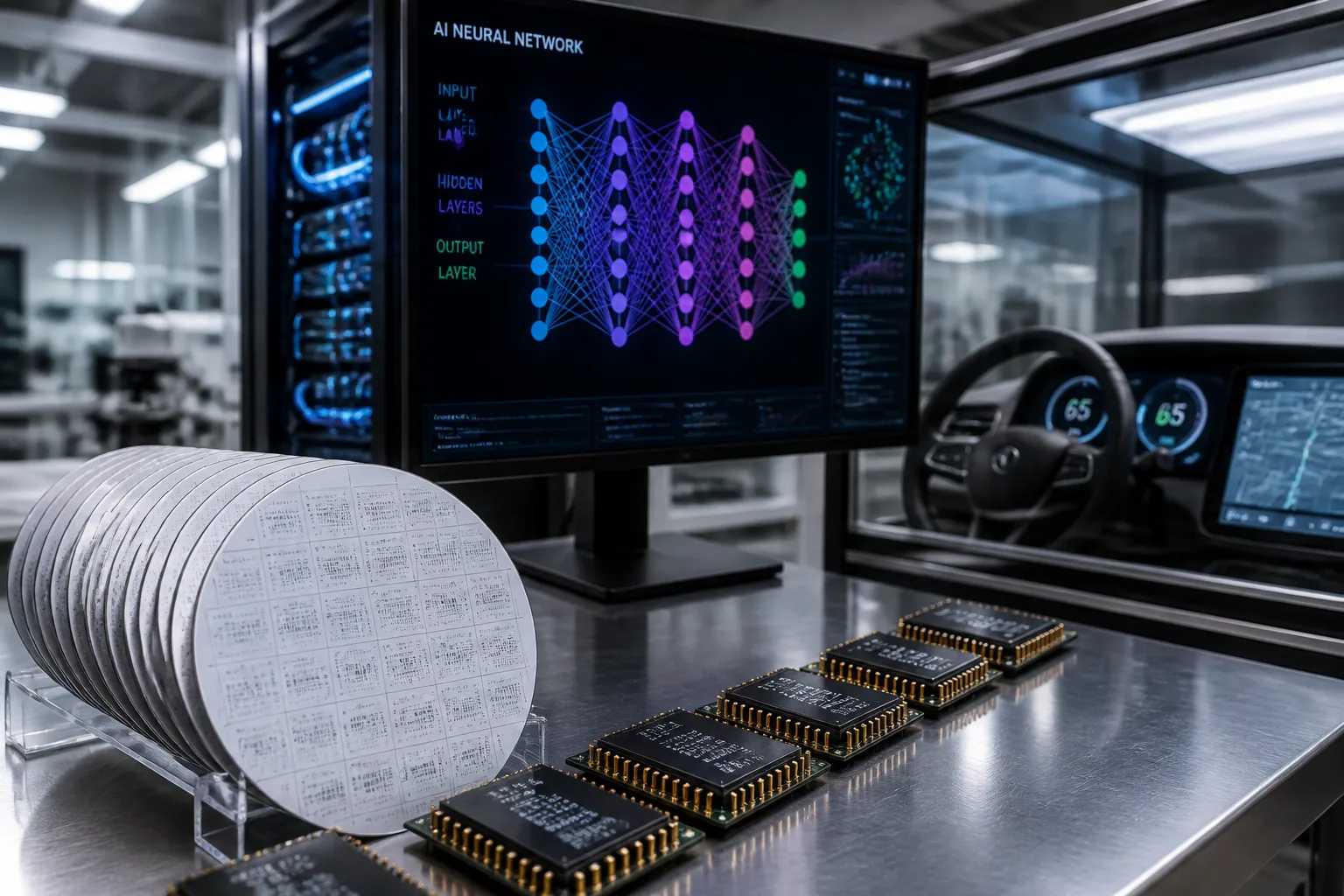
The NVIDIA partnership builds on TSMC’s focus on AI integration. By embedding NVIDIA’s CUDA‑X libraries and vision AI tools into the fab, TSMC aims to automate defect detection, refine lithography alignment and enhance process control. The partnership is expected to improve yields on advanced‑node chips and accelerate time‑to‑volume production. NVIDIA’s Metropolis and TAO Toolkit will provide end‑to‑end AI workflows that can be applied directly to manufacturing data.
TSMC’s expansion and AI partnership come as the company remains a prominent holding in Chase Coleman’s Tiger Global portfolio. While the portfolio focuses on high‑growth technology companies, TSMC’s continued investment in advanced manufacturing and AI tools reinforces its position as a critical supplier for the AI and data‑center markets.
The company’s commitment to a comprehensive global footprint includes ongoing development of new fabs in Taiwan and the United States. The Arizona Gigafab cluster, a $165 billion investment, is expected to add significant 4‑nanometer capacity by 2027 and 3‑nanometer and 2‑nanometer production by 2029.
In summary, TSMC’s recent announcements signal a dual strategy: accelerating physical capacity through new fabs and enhancing manufacturing efficiency through AI integration with NVIDIA. The company’s leadership in advanced‑node production, combined with the AI tools from NVIDIA, positions TSMC to meet the growing demand for high‑performance chips from its major customers.
The next key milestones for TSMC include the operational launch of its new fabs, the rollout of NVIDIA’s AI tools in production lines, and the continued expansion of its global footprint. Investors and industry observers will be watching how these initiatives translate into yield improvements and capacity utilization in the coming quarters.
Three days later, on May 31 2026, NVIDIA confirmed a partnership with TSMC that will weave NVIDIA’s AI models, CUDA‑X libraries, Metropolis, and TAO Toolkit into the company’s fab workflows. The collaboration is designed to bring vision AI into the cleanroom to automate defect inspection and to optimize lithography, simulations, and process control.
"By using NVIDIA accelerated computing and AI across fab operations, optimization, lithography, process control and inspection, TSMC is strengthening our technology leadership and manufacturing excellence to support our customers’ future products and success," said TSMC’s chairman and chief executive, C.C. Wei.
Founded in 1987, TSMC remains the world’s leading dedicated semiconductor foundry. It supplies integrated circuits and wafer‑level devices to a broad customer base that includes Nvidia, Apple, Broadcom and Qualcomm. In 2025, the company accounted for roughly 70 % of the global foundry market share, cementing its role in the AI chip boom.
At the symposium, TSMC highlighted several key initiatives. The company announced that it will accelerate its new fab expansion at an unprecedented 2× pace, adding capacity for its 3‑nanometer (N3), 5‑nanometer (N5) and 7‑nanometer (N7) nodes. It also introduced its Super GIGAFABS operations, a coordinated management system for large‑scale fabs, and a capacity‑fungibility strategy that allows production to shift between nodes to meet demand. AI‑driven technologies are being deployed across the production chain to improve yield and reduce cycle times.
The NVIDIA partnership builds on TSMC’s focus on AI integration. By embedding NVIDIA’s CUDA‑X libraries and vision AI tools into the fab, TSMC aims to automate defect detection, refine lithography alignment and enhance process control. The partnership is expected to improve yields on advanced‑node chips and accelerate time‑to‑volume production. NVIDIA’s Metropolis and TAO Toolkit will provide end‑to‑end AI workflows that can be applied directly to manufacturing data.
TSMC’s expansion and AI partnership come as the company remains a prominent holding in Chase Coleman’s Tiger Global portfolio. While the portfolio focuses on high‑growth technology companies, TSMC’s continued investment in advanced manufacturing and AI tools reinforces its position as a critical supplier for the AI and data‑center markets.
The company’s commitment to a comprehensive global footprint includes ongoing development of new fabs in Taiwan and the United States. The Arizona Gigafab cluster, a $165 billion investment, is expected to add significant 4‑nanometer capacity by 2027 and 3‑nanometer and 2‑nanometer production by 2029.
In summary, TSMC’s recent announcements signal a dual strategy: accelerating physical capacity through new fabs and enhancing manufacturing efficiency through AI integration with NVIDIA. The company’s leadership in advanced‑node production, combined with the AI tools from NVIDIA, positions TSMC to meet the growing demand for high‑performance chips from its major customers.
The next key milestones for TSMC include the operational launch of its new fabs, the rollout of NVIDIA’s AI tools in production lines, and the continued expansion of its global footprint. Investors and industry observers will be watching how these initiatives translate into yield improvements and capacity utilization in the coming quarters.