Blab Business
Dish Network Files Chapter 11 Bankruptcy After Delayed Spectrum Sale to AT&T
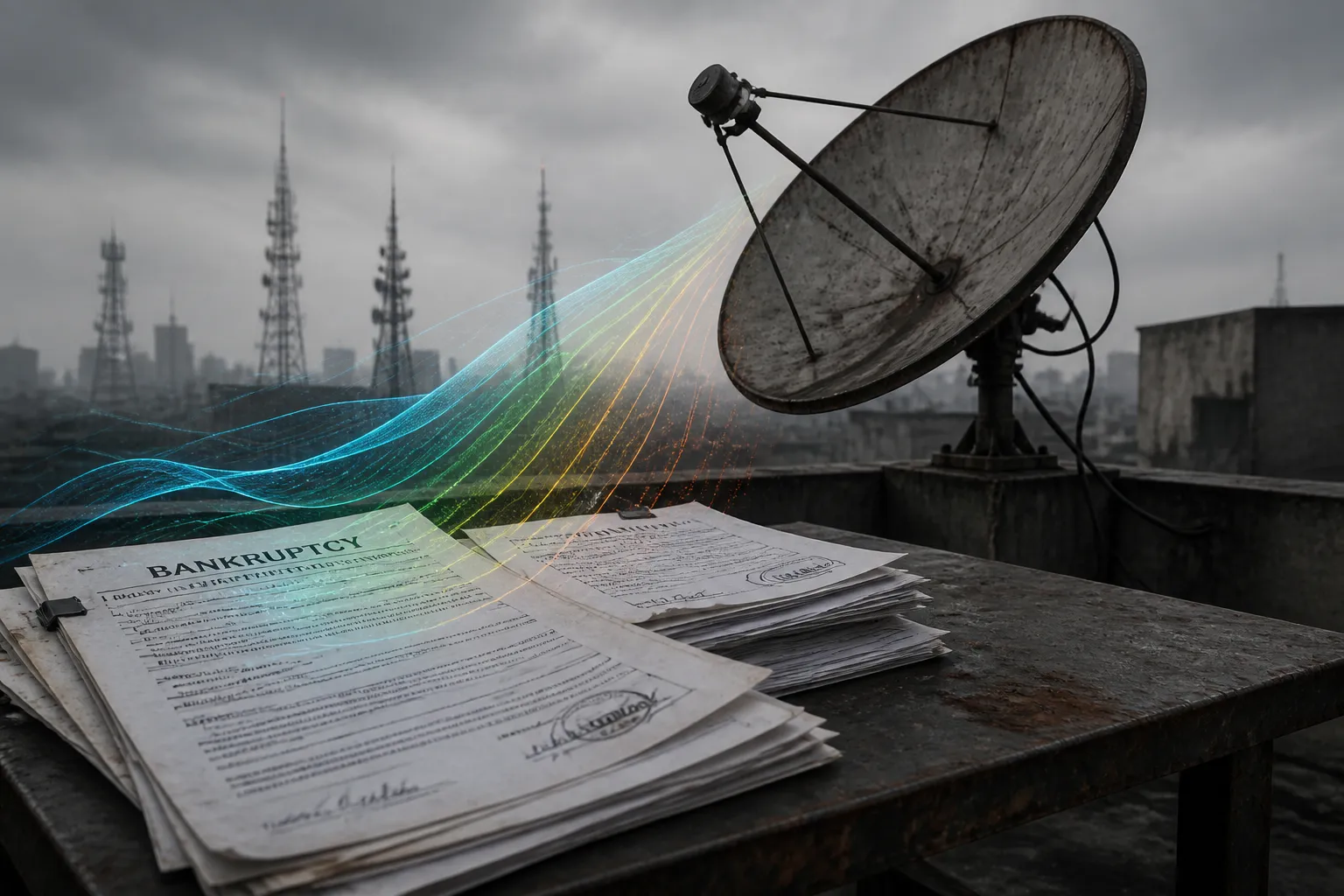
On June 30, 2026, Dish Network—satellite television and wireless arm of EchoStar Corporation—filed for Chapter 11 bankruptcy protection in Houston, Texas. The filing covers the company’s pay‑TV business and its Boost Mobile wireless unit.
Dish’s troubles began with a postponed sale of spectrum licenses to AT&T that was meant to generate the cash needed to service $2 billion of notes due on July 1. According to a tweet by Rich Brome, the delay left the company without the liquidity required to meet those obligations, forcing the move to bankruptcy.
The satellite‑TV provider has long relied on its network of dishes and set‑top boxes. In 2020, Dish acquired Boost Mobile from Sprint, a transaction that was part of the T‑Mobile/Sprint merger approved by the Federal Communications Commission (FCC). The FCC required Dish to develop Boost into a full‑service national carrier—a promise the company later abandoned. Boost’s standalone network shut down on November 15, 2025, and the brand was converted into a mobile virtual network operator (MVNO) that uses AT&T’s infrastructure.
EchoStar had built a financial roadmap around selling the spectrum licenses it had accumulated over the years. Negotiations with AT&T had been expected to bring in a sizable cash infusion. The spectrum sale, however, was delayed. AT&T had previously purchased a large portion of Dish’s spectrum for $23 billion in August 2025, a deal that was intended to strengthen AT&T’s network while providing Dish with capital.
Chapter 11 allows Dish to reorganize rather than liquidate. Its assets—including the satellite fleet, set‑top boxes, and the Boost Mobile brand—will be evaluated for restructuring or sale. The filing also places the future of Dish’s satellite‑TV service and its MVNO operations under review.
Industry observers warn that Dish’s collapse could reshape competition in the 5G market. Boost Mobile had been positioned as a potential fourth national carrier, but its transition to an MVNO limits its ability to compete with the existing three major carriers. The spectrum sale to AT&T, which had previously acquired a significant portion of Dish’s spectrum for $23 billion in August 2025, was intended to strengthen AT&T’s own network and provide Dish with the capital to meet its obligations.
EchoStar’s other businesses—Sling TV, Hughes Network Systems, and its satellite services—remain outside the bankruptcy filing. The company’s leadership has not yet announced a plan for the Dish and Boost units. Investors are awaiting court decisions on the restructuring plan and any potential sale of assets.
The bankruptcy filing arrives amid a period of consolidation and regulatory scrutiny in the telecommunications industry. The FCC’s conditions on the T‑Mobile/Sprint merger, which required Dish to build a national network, were never fulfilled. The delay in the spectrum sale has highlighted the challenges of balancing regulatory commitments with financial realities.
As of now, Dish Network’s Chapter 11 case is pending in the U.S. Bankruptcy Court for the Southern District of Texas. The company has not yet disclosed a timetable for restructuring or a potential sale of its satellite or wireless assets. Stakeholders—including subscribers, employees, and creditors—are awaiting court rulings that will determine whether Dish can emerge from bankruptcy or whether its assets will be liquidated.
The outcome of Dish’s bankruptcy will have implications for the broader wireless market, the future of satellite television, and the regulatory environment governing spectrum ownership and carrier obligations. Until the court approves a restructuring plan or a sale, the status of Dish’s services and Boost Mobile’s operations remains uncertain.
Dish’s troubles began with a postponed sale of spectrum licenses to AT&T that was meant to generate the cash needed to service $2 billion of notes due on July 1. According to a tweet by Rich Brome, the delay left the company without the liquidity required to meet those obligations, forcing the move to bankruptcy.
The satellite‑TV provider has long relied on its network of dishes and set‑top boxes. In 2020, Dish acquired Boost Mobile from Sprint, a transaction that was part of the T‑Mobile/Sprint merger approved by the Federal Communications Commission (FCC). The FCC required Dish to develop Boost into a full‑service national carrier—a promise the company later abandoned. Boost’s standalone network shut down on November 15, 2025, and the brand was converted into a mobile virtual network operator (MVNO) that uses AT&T’s infrastructure.
EchoStar had built a financial roadmap around selling the spectrum licenses it had accumulated over the years. Negotiations with AT&T had been expected to bring in a sizable cash infusion. The spectrum sale, however, was delayed. AT&T had previously purchased a large portion of Dish’s spectrum for $23 billion in August 2025, a deal that was intended to strengthen AT&T’s network while providing Dish with capital.
Chapter 11 allows Dish to reorganize rather than liquidate. Its assets—including the satellite fleet, set‑top boxes, and the Boost Mobile brand—will be evaluated for restructuring or sale. The filing also places the future of Dish’s satellite‑TV service and its MVNO operations under review.
Industry observers warn that Dish’s collapse could reshape competition in the 5G market. Boost Mobile had been positioned as a potential fourth national carrier, but its transition to an MVNO limits its ability to compete with the existing three major carriers. The spectrum sale to AT&T, which had previously acquired a significant portion of Dish’s spectrum for $23 billion in August 2025, was intended to strengthen AT&T’s own network and provide Dish with the capital to meet its obligations.
EchoStar’s other businesses—Sling TV, Hughes Network Systems, and its satellite services—remain outside the bankruptcy filing. The company’s leadership has not yet announced a plan for the Dish and Boost units. Investors are awaiting court decisions on the restructuring plan and any potential sale of assets.
The bankruptcy filing arrives amid a period of consolidation and regulatory scrutiny in the telecommunications industry. The FCC’s conditions on the T‑Mobile/Sprint merger, which required Dish to build a national network, were never fulfilled. The delay in the spectrum sale has highlighted the challenges of balancing regulatory commitments with financial realities.
As of now, Dish Network’s Chapter 11 case is pending in the U.S. Bankruptcy Court for the Southern District of Texas. The company has not yet disclosed a timetable for restructuring or a potential sale of its satellite or wireless assets. Stakeholders—including subscribers, employees, and creditors—are awaiting court rulings that will determine whether Dish can emerge from bankruptcy or whether its assets will be liquidated.
The outcome of Dish’s bankruptcy will have implications for the broader wireless market, the future of satellite television, and the regulatory environment governing spectrum ownership and carrier obligations. Until the court approves a restructuring plan or a sale, the status of Dish’s services and Boost Mobile’s operations remains uncertain.