Blab Business
Michael Dell Partners with Trump Administration to Seed $250 Accounts for 25 Million U.S. Children
On Independence Day, Dell Technologies CEO Michael Dell and his wife Susan announced a public‑private partnership that will give $250 to the first 25 million American children who enroll in the new Trump Accounts program. The initiative is intended to provide a financial head start for children born between January 1 2025 and December 31 2028.
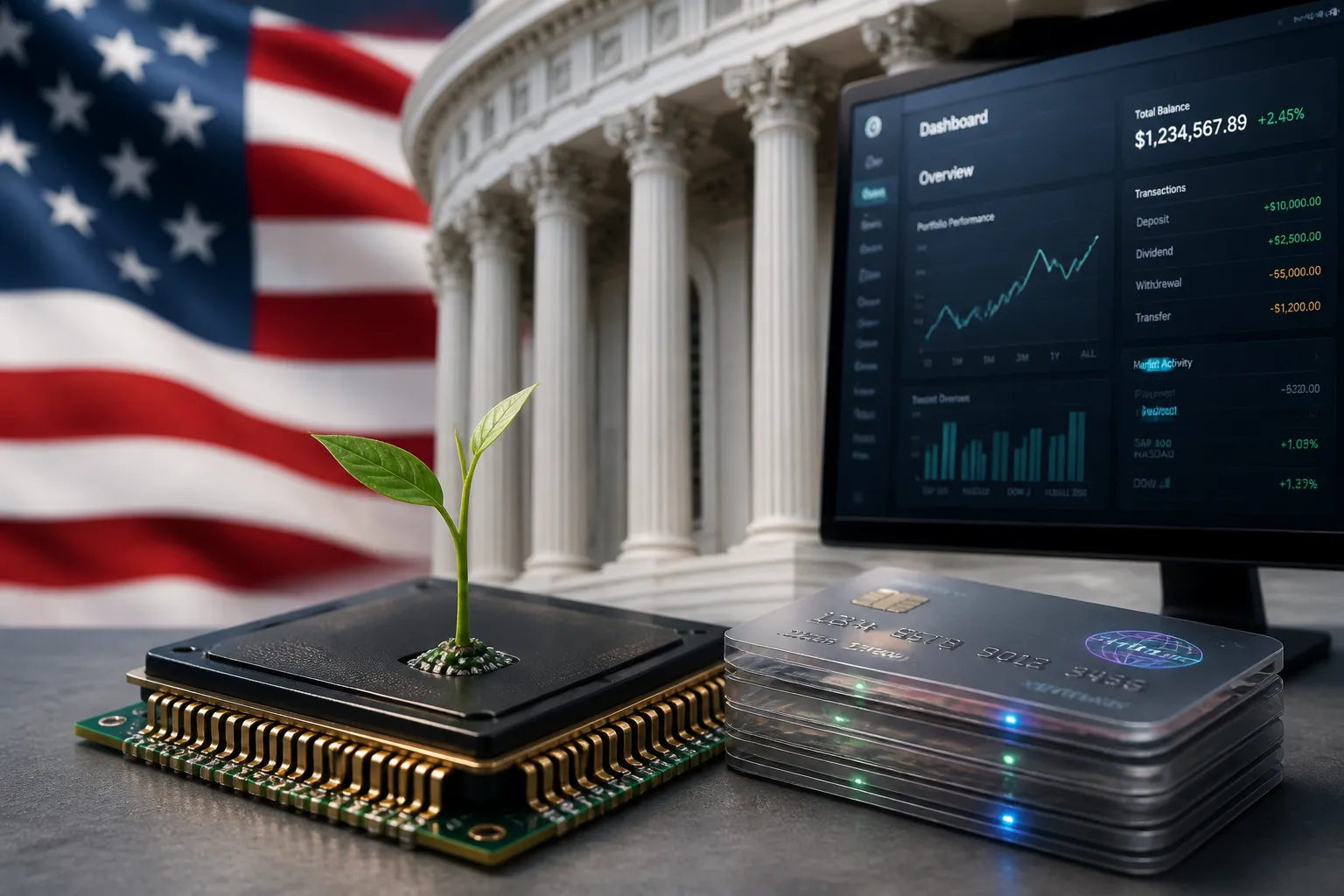
The Trump Accounts program is a federal investment account created under the One Big Beautiful Bill. Each eligible child receives a one‑time $1,000 government seed contribution when the account is opened. Parents register the account when filing taxes and act as custodians until the child turns 18. The accounts are tax‑deferred and invested in U.S. companies, typically low‑cost index funds.
Under the partnership, Dell pledged $6.25 billion to seed accounts for children who do not qualify for the government $1,000. In addition, Dell announced that the first 25 million qualifying children will receive $250 each. The contribution is part of a broader effort to give parents the option to deposit up to $5,000 per year, which is then invested directly in American equities.
President Donald Trump said during the program’s announcement that the initiative would place $3 to $4 trillion of wealth into the hands of young Americans over the next 15 years. Trump’s statement was made in the context of the program’s launch on July 4, which coincides with the U.S. national holiday.
The program has attracted bipartisan praise. Sen. Ted Cruz, R‑Texas, described the partnership as an “extraordinary birthday gift” to celebrate the nation’s history. The initiative also received support from other lawmakers who view the program as a way to encourage long‑term savings and investment among families.
Financial analysts note that the program’s structure mirrors traditional custodial IRAs, but with a federal seed contribution and a focus on encouraging early investment habits. The accounts can be opened through the IRS website, where parents must verify the child’s Social Security number and sign up using ID.me.
The launch of Trump Accounts on July 4 follows a year‑long buildup. The program was announced a year ago, and the Treasury and IRS issued proposed regulations in March to detail how the $1,000 pilot contributions would be deposited. The regulations also clarified that parents may contribute voluntarily up to $5,000 annually.
Dell’s private contribution is significant in scale. The $6.25 billion pledge is intended to supplement the government seed and to provide additional capital for children who might otherwise lack access to investment accounts. The partnership is described by Dell as a way to “unite us all in hope and optimism for every child’s future.”
The program’s impact on the broader economy remains to be seen. While the government seed is modest, the private contribution could accelerate the growth of the accounts, especially if parents choose to invest the full $5,000 annually. The long‑term effect on wealth accumulation for children will depend on market performance and the persistence of contributions.
As the program opens, parents can begin enrolling through the IRS portal. The Treasury has indicated that the accounts will be funded automatically on July 4, and the first $1,000 contributions will be credited to eligible children’s accounts. The private contributions from Dell are expected to be distributed over the next several months.
The partnership between Dell Technologies and the Trump administration represents a rare convergence of private philanthropy and federal policy aimed at youth financial empowerment. The program’s success will likely be measured by enrollment numbers, the amount of private capital deployed, and the growth of the accounts over time.
The next steps for stakeholders include monitoring account balances, tracking investment performance, and evaluating the program’s role in shaping future financial habits for a generation of American children.
The Trump Accounts program is a federal investment account created under the One Big Beautiful Bill. Each eligible child receives a one‑time $1,000 government seed contribution when the account is opened. Parents register the account when filing taxes and act as custodians until the child turns 18. The accounts are tax‑deferred and invested in U.S. companies, typically low‑cost index funds.
Under the partnership, Dell pledged $6.25 billion to seed accounts for children who do not qualify for the government $1,000. In addition, Dell announced that the first 25 million qualifying children will receive $250 each. The contribution is part of a broader effort to give parents the option to deposit up to $5,000 per year, which is then invested directly in American equities.
President Donald Trump said during the program’s announcement that the initiative would place $3 to $4 trillion of wealth into the hands of young Americans over the next 15 years. Trump’s statement was made in the context of the program’s launch on July 4, which coincides with the U.S. national holiday.
The program has attracted bipartisan praise. Sen. Ted Cruz, R‑Texas, described the partnership as an “extraordinary birthday gift” to celebrate the nation’s history. The initiative also received support from other lawmakers who view the program as a way to encourage long‑term savings and investment among families.
Financial analysts note that the program’s structure mirrors traditional custodial IRAs, but with a federal seed contribution and a focus on encouraging early investment habits. The accounts can be opened through the IRS website, where parents must verify the child’s Social Security number and sign up using ID.me.
The launch of Trump Accounts on July 4 follows a year‑long buildup. The program was announced a year ago, and the Treasury and IRS issued proposed regulations in March to detail how the $1,000 pilot contributions would be deposited. The regulations also clarified that parents may contribute voluntarily up to $5,000 annually.
Dell’s private contribution is significant in scale. The $6.25 billion pledge is intended to supplement the government seed and to provide additional capital for children who might otherwise lack access to investment accounts. The partnership is described by Dell as a way to “unite us all in hope and optimism for every child’s future.”
The program’s impact on the broader economy remains to be seen. While the government seed is modest, the private contribution could accelerate the growth of the accounts, especially if parents choose to invest the full $5,000 annually. The long‑term effect on wealth accumulation for children will depend on market performance and the persistence of contributions.
As the program opens, parents can begin enrolling through the IRS portal. The Treasury has indicated that the accounts will be funded automatically on July 4, and the first $1,000 contributions will be credited to eligible children’s accounts. The private contributions from Dell are expected to be distributed over the next several months.
The partnership between Dell Technologies and the Trump administration represents a rare convergence of private philanthropy and federal policy aimed at youth financial empowerment. The program’s success will likely be measured by enrollment numbers, the amount of private capital deployed, and the growth of the accounts over time.
The next steps for stakeholders include monitoring account balances, tracking investment performance, and evaluating the program’s role in shaping future financial habits for a generation of American children.