Blab Business
Vertical Aerospace Secures Astronics Power-Distribution Deal Amid Ongoing Cash-Burn and Future Earnings Outlook
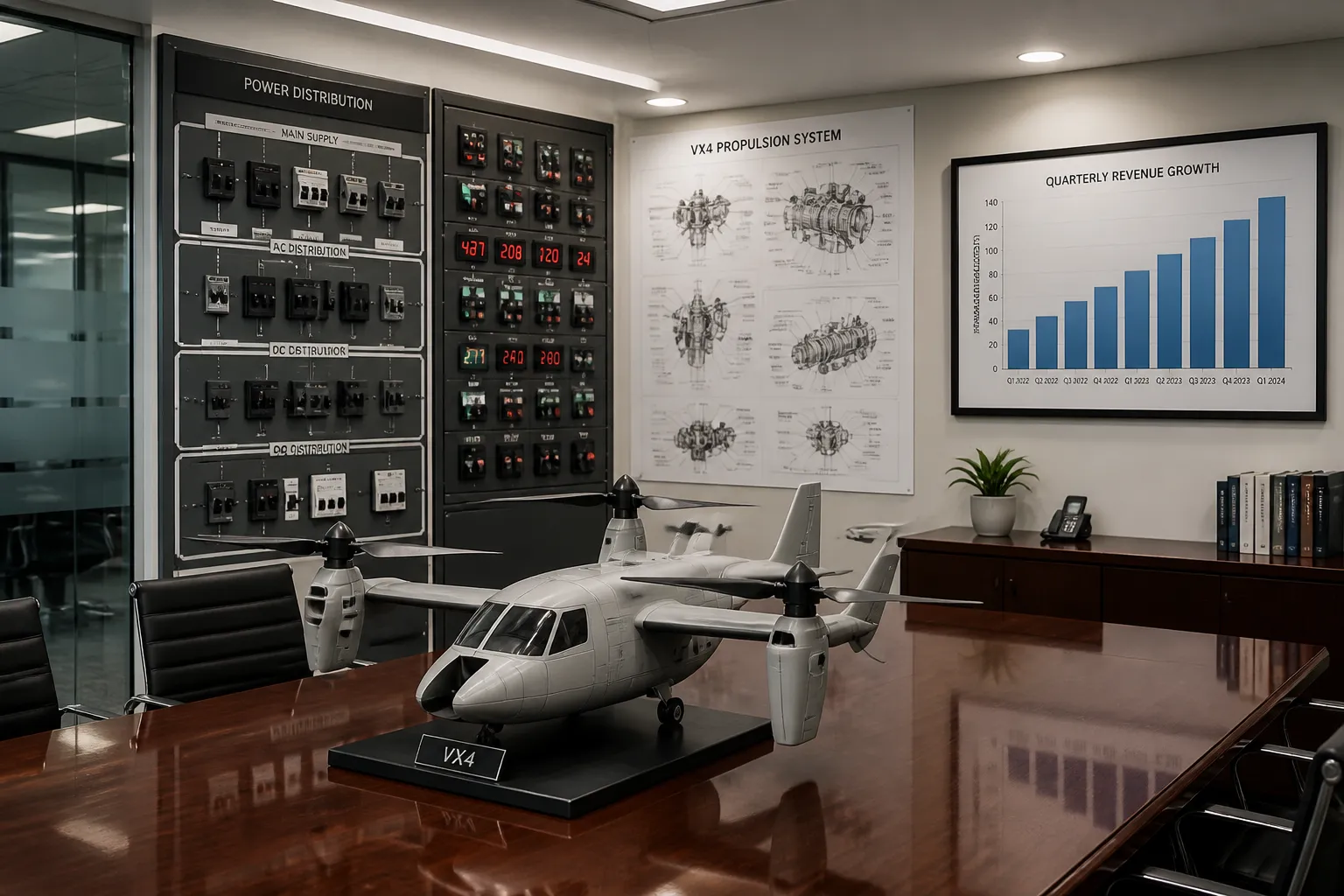
On June 29, 2026, Vertical Aerospace Ltd. announced a long‑term partnership with Astronics Corporation to supply low‑voltage power‑distribution systems for its Valo electric vertical take‑off and landing (eVTOL) aircraft. The agreement, which covers the LV system that will feed the Valo’s propulsion and avionics, is part of Vertical’s strategy to solidify its supply chain and reduce execution risk as the company moves toward certification and scaled production.
Astronics, a U.S. aerospace electronics supplier listed on Nasdaq, has a long record of delivering lighting, electronics integration and test systems for military and commercial aircraft. By adding Astronics to its roster of tier‑1 partners—alongside Honeywell Aerospace, which supplies flight‑control and management systems, and Hyundai WIA, which provides landing‑gear components—Vertical is bolstering a critical element of the aircraft’s electrical architecture.
Despite these supply‑chain wins, the company remains a cash‑burning venture. According to S&P Global Market Intelligence, Vertical Aerospace is not expected to generate earnings until 2032. Its market capitalization sits near $239 million, and it has raised up to $850 million through a financing package with Yorkville Advisors Global.
During its most recent earnings call in May, management noted that short‑term liquidity and anticipated draws under existing facilities would provide at least 12 months of runway. The firm also acknowledged that additional equity will be required to fund ongoing development and production ramp‑up. Wall Street analysts project the share count will rise from 157 million in 2026 to 373 million by 2032, when earnings are expected to begin.
The need for future equity issuances means dilution for current shareholders. While the Astronics deal reduces some operational risk, it does not eliminate the cash needs that drive the company’s capital structure.
Vertical Aerospace’s progress in the eVTOL market is notable. In July 2025, the company completed the first public airport‑to‑airport eVTOL flight, a milestone that demonstrates the viability of its design. The Valo aircraft is positioned to compete with other emerging eVTOLs, such as Joby Aviation’s vertically integrated platform, Boeing’s Wisk venture, and Archer Aviation’s externally sourced components.
Industry analysts point out that supply‑chain reliability is a key differentiator for eVTOL manufacturers. Companies that secure long‑term agreements with established suppliers can accelerate certification timelines and reduce production bottlenecks. For Vertical Aerospace, the Astronics partnership is a step toward that objective.
Investors will weigh the benefits of a stronger supply chain against the company’s continued cash burn and dilution risk. The firm’s upcoming earnings in 2032, when it is projected to turn profitable, will be a critical benchmark for assessing the long‑term viability of its business model.
In summary, the Astronics agreement strengthens Vertical Aerospace’s component ecosystem and may help de‑risk the company’s path to certification. However, the firm’s financial trajectory remains heavily reliant on future equity raises, and its earnings are not expected until 2032. The next few years will test whether the company can translate its supply‑chain gains into sustainable revenue growth.
Astronics, a U.S. aerospace electronics supplier listed on Nasdaq, has a long record of delivering lighting, electronics integration and test systems for military and commercial aircraft. By adding Astronics to its roster of tier‑1 partners—alongside Honeywell Aerospace, which supplies flight‑control and management systems, and Hyundai WIA, which provides landing‑gear components—Vertical is bolstering a critical element of the aircraft’s electrical architecture.
Despite these supply‑chain wins, the company remains a cash‑burning venture. According to S&P Global Market Intelligence, Vertical Aerospace is not expected to generate earnings until 2032. Its market capitalization sits near $239 million, and it has raised up to $850 million through a financing package with Yorkville Advisors Global.
During its most recent earnings call in May, management noted that short‑term liquidity and anticipated draws under existing facilities would provide at least 12 months of runway. The firm also acknowledged that additional equity will be required to fund ongoing development and production ramp‑up. Wall Street analysts project the share count will rise from 157 million in 2026 to 373 million by 2032, when earnings are expected to begin.
The need for future equity issuances means dilution for current shareholders. While the Astronics deal reduces some operational risk, it does not eliminate the cash needs that drive the company’s capital structure.
Vertical Aerospace’s progress in the eVTOL market is notable. In July 2025, the company completed the first public airport‑to‑airport eVTOL flight, a milestone that demonstrates the viability of its design. The Valo aircraft is positioned to compete with other emerging eVTOLs, such as Joby Aviation’s vertically integrated platform, Boeing’s Wisk venture, and Archer Aviation’s externally sourced components.
Industry analysts point out that supply‑chain reliability is a key differentiator for eVTOL manufacturers. Companies that secure long‑term agreements with established suppliers can accelerate certification timelines and reduce production bottlenecks. For Vertical Aerospace, the Astronics partnership is a step toward that objective.
Investors will weigh the benefits of a stronger supply chain against the company’s continued cash burn and dilution risk. The firm’s upcoming earnings in 2032, when it is projected to turn profitable, will be a critical benchmark for assessing the long‑term viability of its business model.
In summary, the Astronics agreement strengthens Vertical Aerospace’s component ecosystem and may help de‑risk the company’s path to certification. However, the firm’s financial trajectory remains heavily reliant on future equity raises, and its earnings are not expected until 2032. The next few years will test whether the company can translate its supply‑chain gains into sustainable revenue growth.