Blab Business
Indonesia Identifies 2,616 Villages for Export Development, Aims to Boost MSME Participation
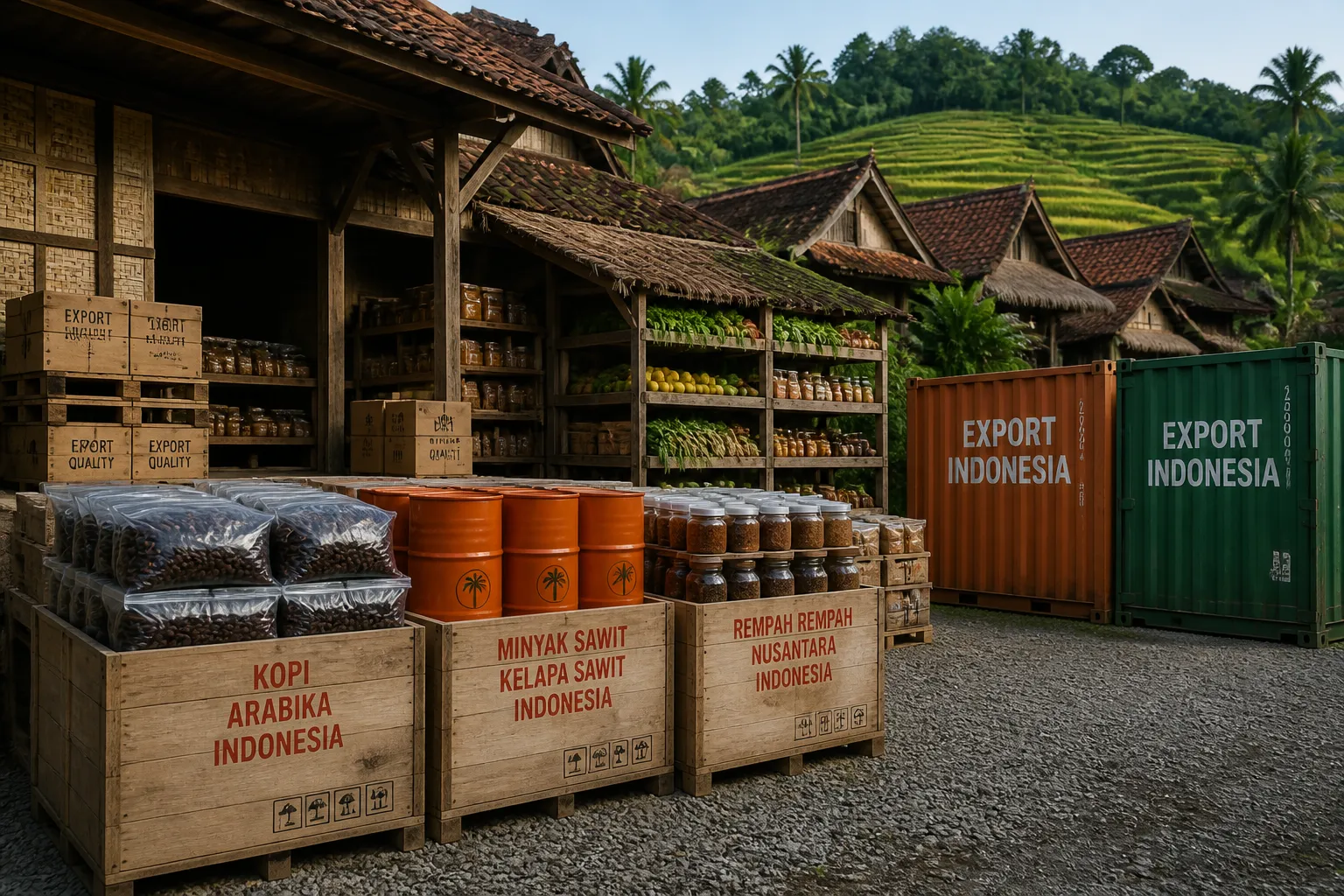
The Indonesian Ministry of Trade announced today that it has mapped 2,616 villages across the archipelago as potential export hubs under its “Desa Bisa Ekspor” (Export‑Ready Villages) program. The initiative, led by Ari Satria, Director of Export Development for Services and Creative Products, is part of a broader effort to build a regional export ecosystem that leverages the unique products of rural communities.
Satria explained that the first step is to identify villages that produce primary goods with export potential. Once identified, villages are grouped by their level of export readiness—from those already prepared for international trade to those that require further development. This segmentation allows the government to tailor support to each village’s specific needs.
A key component of the initiative is the facilitation of micro, small and medium enterprises (MSMEs). The Ministry’s office acts as an intermediary between local producers and foreign buyers in the early stages of the export process. By connecting MSMEs with aggregators or off‑takers, the government seeks to support product development and marketing. The program also strengthens mentoring activities that help MSMEs meet the regulatory requirements of destination markets.
Understanding the various export requirements—such as food safety standards, halal certification and other regulatory norms—is essential for building confidence among local businesses, Satria said. He emphasized that the approach would improve product readiness for international markets and help villages transform flagship commodities into value‑added export products.
The announcement follows a series of related actions. Earlier this year, the government approved the creation of export villages in West Papua, and a group of 19 fishermen villages began exporting their catch. In South Sulawesi, a fishermen village shipped its first export to Saudi Arabia. These developments illustrate the practical application of the export‑ready village framework.
While the program is still in its early stages, the Ministry expects that the identified villages will gradually expand their export activities. The government’s goal is to broaden the benefits of international trade to local communities and to strengthen Indonesia’s position as a source of unique, high‑quality products.
The initiative is part of Indonesia’s ongoing strategy to diversify its export base and support rural economies. By providing targeted assistance and fostering connections with global buyers, the Ministry aims to create a sustainable pipeline of export‑ready products that can compete in international markets.
In the coming months, the Ministry will continue to identify additional villages and refine its support mechanisms. The program’s progress will be monitored through regular assessments of export readiness and the performance of MSMEs linked to the initiative.
The announcement comes as Indonesia seeks to capitalize on growing global demand for niche and sustainably produced goods. The government’s focus on export‑ready villages reflects a broader policy shift toward inclusive growth that incorporates rural producers into the national export strategy.
The Ministry of Trade will report on the program’s outcomes in its next quarterly update, and the government plans to hold a series of workshops for MSMEs to further explain export requirements and certification processes. The initiative’s success will depend on continued collaboration between the Ministry of Trade, Kemendesa PDT, local village administrations, and private sector partners.
As Indonesia moves forward with the Desa Bisa Ekspor program, stakeholders will watch closely to see how effectively the country can translate rural potential into tangible export growth and how the program will influence the broader trade landscape.
Satria explained that the first step is to identify villages that produce primary goods with export potential. Once identified, villages are grouped by their level of export readiness—from those already prepared for international trade to those that require further development. This segmentation allows the government to tailor support to each village’s specific needs.
A key component of the initiative is the facilitation of micro, small and medium enterprises (MSMEs). The Ministry’s office acts as an intermediary between local producers and foreign buyers in the early stages of the export process. By connecting MSMEs with aggregators or off‑takers, the government seeks to support product development and marketing. The program also strengthens mentoring activities that help MSMEs meet the regulatory requirements of destination markets.
Understanding the various export requirements—such as food safety standards, halal certification and other regulatory norms—is essential for building confidence among local businesses, Satria said. He emphasized that the approach would improve product readiness for international markets and help villages transform flagship commodities into value‑added export products.
The announcement follows a series of related actions. Earlier this year, the government approved the creation of export villages in West Papua, and a group of 19 fishermen villages began exporting their catch. In South Sulawesi, a fishermen village shipped its first export to Saudi Arabia. These developments illustrate the practical application of the export‑ready village framework.
While the program is still in its early stages, the Ministry expects that the identified villages will gradually expand their export activities. The government’s goal is to broaden the benefits of international trade to local communities and to strengthen Indonesia’s position as a source of unique, high‑quality products.
The initiative is part of Indonesia’s ongoing strategy to diversify its export base and support rural economies. By providing targeted assistance and fostering connections with global buyers, the Ministry aims to create a sustainable pipeline of export‑ready products that can compete in international markets.
In the coming months, the Ministry will continue to identify additional villages and refine its support mechanisms. The program’s progress will be monitored through regular assessments of export readiness and the performance of MSMEs linked to the initiative.
The announcement comes as Indonesia seeks to capitalize on growing global demand for niche and sustainably produced goods. The government’s focus on export‑ready villages reflects a broader policy shift toward inclusive growth that incorporates rural producers into the national export strategy.
The Ministry of Trade will report on the program’s outcomes in its next quarterly update, and the government plans to hold a series of workshops for MSMEs to further explain export requirements and certification processes. The initiative’s success will depend on continued collaboration between the Ministry of Trade, Kemendesa PDT, local village administrations, and private sector partners.
As Indonesia moves forward with the Desa Bisa Ekspor program, stakeholders will watch closely to see how effectively the country can translate rural potential into tangible export growth and how the program will influence the broader trade landscape.