Blab Business
Rahul Gandhi Criticises Transport Ministry Over Small-Scale Bus and Truck Body-Building Workshops
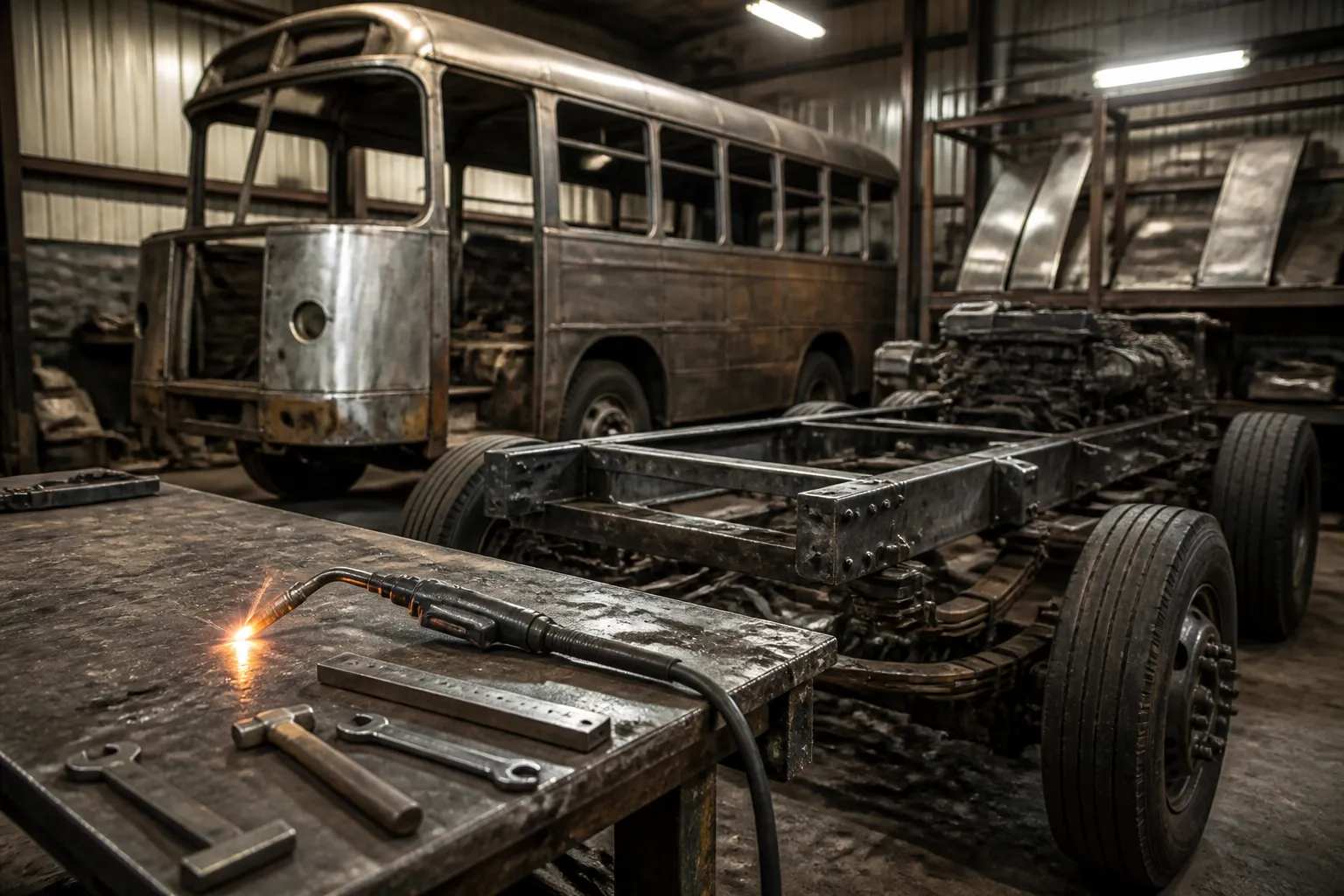
On Monday, July 6, 2026, Rahul Gandhi, the Leader of the Opposition in the Lok Sabha, released a video from a bus and truck body‑building workshop in Jaipur. In the clip he described the workshop’s activity – sheets of iron, welding sparks and hammering – and said that artisans in such workshops “forge India’s future through their hard work and skill.”
Gandhi used the video to accuse the Ministry of Road Transport & Highways of imposing regulations that, according to him, stifle small‑scale industries across the country. He said that the Ministry’s rules “deliberately strangled” micro‑, small‑ and medium‑enterprises (MSMEs) that should be supported. He further claimed that the government’s “Make in India” and “Vocal for Local” slogans were merely rhetoric, while policies favored large industrialists.
The remarks come after a meeting on March 18 in which Rahul Gandhi and party general secretary Priyanka Gandhi Vadra, accompanied by a delegation of small truck and bus body builders from Rajasthan, met Union Road Transport Minister Nitin Gadkari. The delegation had expressed concerns that new standards and excessive fees could drive many small manufacturers out of business, threatening the livelihoods of millions of families.
Following the meeting, Priyanka Gandhi told reporters that the body builders had to incur significant expenses to obtain licences and that the process was “extremely time‑consuming.” She said that Minister Gadkari had assured the delegation that the issues would be resolved expeditiously. In the video released by Rahul Gandhi, the body builders reiterated that the government still favoured large companies and that their problems had not been addressed.
The workshop visit and subsequent statements highlight a broader debate over the regulatory burden on India’s small‑scale manufacturing sector. The Ministry of Road Transport & Highways, headed by Minister Gadkari, is responsible for formulating and administering rules related to road transport. Critics argue that stringent licensing and safety standards, while intended to improve vehicle safety, can impose high costs on small workshops that lack the capital to comply.
Rahul Gandhi warned that if these workshops shut down, the consequences would extend beyond lost business. He said that skills would be lost, jobs would vanish, and the burden of inflation on ordinary people would rise. According to him, the “hard‑working and skilled Indians” would bear the cost.
The opposition’s criticism comes at a time when the government has been promoting the “Make in India” initiative and other policies aimed at boosting domestic manufacturing. However, the initiative has faced scrutiny over its impact on small and medium enterprises, which constitute a significant portion of India’s manufacturing base.
The Ministry of Micro, Small and Medium Enterprises, which oversees policies for MSMEs, has not issued a response to Rahul Gandhi’s allegations. No official statement from the Ministry of Road Transport & Highways has been released regarding the claims that its regulations are stifling small workshops.
The debate underscores the tension between safety and regulatory compliance on one side and the economic viability of small manufacturers on the other. While the government maintains that stringent standards are necessary to prevent incidents such as bus fires caused by technical faults, opposition leaders argue that the burden disproportionately affects small workshops.
As the government prepares for the next fiscal year, the issue remains unresolved. The opposition’s calls for a review of transport regulations and greater support for MSMEs may influence policy discussions ahead of the upcoming budget and legislative sessions.
The situation will likely be monitored by industry groups, labour unions, and policymakers as they assess the balance between safety, compliance, and the economic health of small‑scale manufacturing in India.
Gandhi used the video to accuse the Ministry of Road Transport & Highways of imposing regulations that, according to him, stifle small‑scale industries across the country. He said that the Ministry’s rules “deliberately strangled” micro‑, small‑ and medium‑enterprises (MSMEs) that should be supported. He further claimed that the government’s “Make in India” and “Vocal for Local” slogans were merely rhetoric, while policies favored large industrialists.
The remarks come after a meeting on March 18 in which Rahul Gandhi and party general secretary Priyanka Gandhi Vadra, accompanied by a delegation of small truck and bus body builders from Rajasthan, met Union Road Transport Minister Nitin Gadkari. The delegation had expressed concerns that new standards and excessive fees could drive many small manufacturers out of business, threatening the livelihoods of millions of families.
Following the meeting, Priyanka Gandhi told reporters that the body builders had to incur significant expenses to obtain licences and that the process was “extremely time‑consuming.” She said that Minister Gadkari had assured the delegation that the issues would be resolved expeditiously. In the video released by Rahul Gandhi, the body builders reiterated that the government still favoured large companies and that their problems had not been addressed.
The workshop visit and subsequent statements highlight a broader debate over the regulatory burden on India’s small‑scale manufacturing sector. The Ministry of Road Transport & Highways, headed by Minister Gadkari, is responsible for formulating and administering rules related to road transport. Critics argue that stringent licensing and safety standards, while intended to improve vehicle safety, can impose high costs on small workshops that lack the capital to comply.
Rahul Gandhi warned that if these workshops shut down, the consequences would extend beyond lost business. He said that skills would be lost, jobs would vanish, and the burden of inflation on ordinary people would rise. According to him, the “hard‑working and skilled Indians” would bear the cost.
The opposition’s criticism comes at a time when the government has been promoting the “Make in India” initiative and other policies aimed at boosting domestic manufacturing. However, the initiative has faced scrutiny over its impact on small and medium enterprises, which constitute a significant portion of India’s manufacturing base.
The Ministry of Micro, Small and Medium Enterprises, which oversees policies for MSMEs, has not issued a response to Rahul Gandhi’s allegations. No official statement from the Ministry of Road Transport & Highways has been released regarding the claims that its regulations are stifling small workshops.
The debate underscores the tension between safety and regulatory compliance on one side and the economic viability of small manufacturers on the other. While the government maintains that stringent standards are necessary to prevent incidents such as bus fires caused by technical faults, opposition leaders argue that the burden disproportionately affects small workshops.
As the government prepares for the next fiscal year, the issue remains unresolved. The opposition’s calls for a review of transport regulations and greater support for MSMEs may influence policy discussions ahead of the upcoming budget and legislative sessions.
The situation will likely be monitored by industry groups, labour unions, and policymakers as they assess the balance between safety, compliance, and the economic health of small‑scale manufacturing in India.