Blab Business
Honeywell Aerospace Showcases Autonomous AW139 Ahead of Investor Day and Planned Spin-Off
Honeywell Aerospace held a media tour of its Phoenix, Arizona, facility on June 2 2026, displaying a Leonardo AW139 helicopter that flew autonomously for the first time. The event preceded the company’s inaugural investor day, scheduled for June 3, 2026, and comes as Honeywell International prepares to spin off its aerospace division.
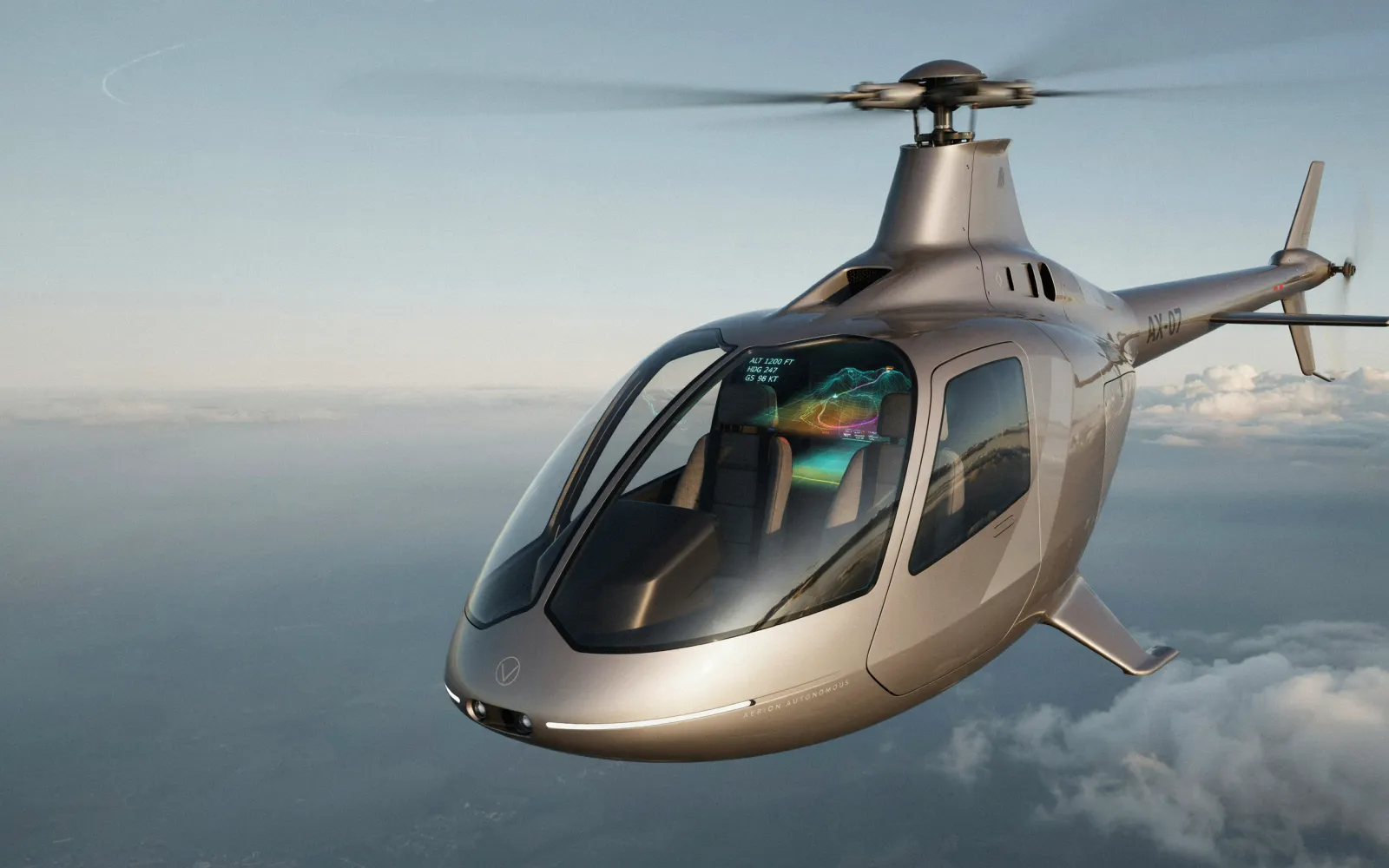
The media tour, photographed by Reuters, highlighted the AW139’s new autonomy capabilities developed in partnership with Near Earth Autonomy. The helicopter, a medium‑lift platform originally designed by AgustaWestland (now Leonardo), was fitted with Honeywell’s avionics and Near Earth’s onboard software, allowing it to complete a test flight without pilot input. The demonstration was part of a broader effort to support the U.S. Marine Corps’ Aerial Logistics Connector (ALC) program, which seeks uncrewed rotorcraft for logistics and support missions.
Honeywell Aerospace, headquartered in Phoenix, has long been a key supplier of aircraft engines, auxiliary power units, and avionics for both commercial and defense customers. The division generates roughly $15 billion in annual revenue, split evenly between commercial and defense contracts. The upcoming investor day will provide the first standalone presentation of the aerospace business, including 2026 pro‑forma guidance and 2030 targets, as the company moves toward its planned spin‑off from Honeywell International.
According to a press release issued by Honeywell on June 3, the investor day will be webcast live and will cover the aerospace unit’s strategy, financial outlook, and growth opportunities. The event follows a recent announcement by Honeywell International that it will reaffirm its 2026 full‑year guidance ahead of the spin‑off, scheduled for June 29, 2026. The company also released a preliminary 2026 outlook for the remaining business after the split.
The media tour on June 2 was part of a broader series of site visits that included a walk‑through of a test cell where an HTF‑7000 engine was being evaluated. Journalists were shown the facility’s advanced testing infrastructure and the integration of Honeywell’s propulsion and avionics systems.
The AW139 autonomous flight is significant for several reasons. First, it demonstrates that legacy helicopter platforms can be retrofitted with autonomous systems, potentially reducing operating costs and expanding mission profiles for both military and commercial operators. Second, the flight aligns with Honeywell’s long‑standing involvement in defense and space programs, including the U.S. NextGen and Europe’s SESAR initiatives. Third, the collaboration with Near Earth Autonomy, a company focused on autonomous flight software, underscores Honeywell’s strategy to partner with specialized firms to accelerate technology deployment.
Financially, Honeywell International’s reaffirmation of its 2026 outlook indicates confidence in the aerospace unit’s performance. The company’s guidance includes expectations for revenue growth driven by both new engine sales and the expansion of its avionics and power‑unit businesses. The spin‑off is expected to unlock shareholder value by allowing investors to focus on the distinct growth dynamics of the aerospace and automation segments.
The investor day will also address the broader market context, including the ongoing demand for advanced aviation technologies amid rising defense spending and the commercial aviation industry’s recovery post‑pandemic. Analysts will likely examine how Honeywell Aerospace’s autonomous capabilities fit into the competitive landscape, which includes other major players such as Northrop Grumman and Boeing.
In conclusion, Honeywell Aerospace’s media tour and investor day highlight the company’s dual focus on technological innovation and corporate restructuring. The autonomous AW139 flight demonstrates tangible progress in uncrewed rotorcraft, while the investor day will set the stage for the aerospace division’s independent operations. Investors and industry observers will watch closely as Honeywell International moves toward the spin‑off deadline of June 29, 2026, and as the aerospace unit presents its 2026 guidance and long‑term strategy.
The media tour, photographed by Reuters, highlighted the AW139’s new autonomy capabilities developed in partnership with Near Earth Autonomy. The helicopter, a medium‑lift platform originally designed by AgustaWestland (now Leonardo), was fitted with Honeywell’s avionics and Near Earth’s onboard software, allowing it to complete a test flight without pilot input. The demonstration was part of a broader effort to support the U.S. Marine Corps’ Aerial Logistics Connector (ALC) program, which seeks uncrewed rotorcraft for logistics and support missions.
Honeywell Aerospace, headquartered in Phoenix, has long been a key supplier of aircraft engines, auxiliary power units, and avionics for both commercial and defense customers. The division generates roughly $15 billion in annual revenue, split evenly between commercial and defense contracts. The upcoming investor day will provide the first standalone presentation of the aerospace business, including 2026 pro‑forma guidance and 2030 targets, as the company moves toward its planned spin‑off from Honeywell International.
According to a press release issued by Honeywell on June 3, the investor day will be webcast live and will cover the aerospace unit’s strategy, financial outlook, and growth opportunities. The event follows a recent announcement by Honeywell International that it will reaffirm its 2026 full‑year guidance ahead of the spin‑off, scheduled for June 29, 2026. The company also released a preliminary 2026 outlook for the remaining business after the split.
The media tour on June 2 was part of a broader series of site visits that included a walk‑through of a test cell where an HTF‑7000 engine was being evaluated. Journalists were shown the facility’s advanced testing infrastructure and the integration of Honeywell’s propulsion and avionics systems.
The AW139 autonomous flight is significant for several reasons. First, it demonstrates that legacy helicopter platforms can be retrofitted with autonomous systems, potentially reducing operating costs and expanding mission profiles for both military and commercial operators. Second, the flight aligns with Honeywell’s long‑standing involvement in defense and space programs, including the U.S. NextGen and Europe’s SESAR initiatives. Third, the collaboration with Near Earth Autonomy, a company focused on autonomous flight software, underscores Honeywell’s strategy to partner with specialized firms to accelerate technology deployment.
Financially, Honeywell International’s reaffirmation of its 2026 outlook indicates confidence in the aerospace unit’s performance. The company’s guidance includes expectations for revenue growth driven by both new engine sales and the expansion of its avionics and power‑unit businesses. The spin‑off is expected to unlock shareholder value by allowing investors to focus on the distinct growth dynamics of the aerospace and automation segments.
The investor day will also address the broader market context, including the ongoing demand for advanced aviation technologies amid rising defense spending and the commercial aviation industry’s recovery post‑pandemic. Analysts will likely examine how Honeywell Aerospace’s autonomous capabilities fit into the competitive landscape, which includes other major players such as Northrop Grumman and Boeing.
In conclusion, Honeywell Aerospace’s media tour and investor day highlight the company’s dual focus on technological innovation and corporate restructuring. The autonomous AW139 flight demonstrates tangible progress in uncrewed rotorcraft, while the investor day will set the stage for the aerospace division’s independent operations. Investors and industry observers will watch closely as Honeywell International moves toward the spin‑off deadline of June 29, 2026, and as the aerospace unit presents its 2026 guidance and long‑term strategy.