Blab Business
United Airlines Cuts 2026 Earnings Forecast Amid Fuel-Price Surge Triggered by Iran War
United Airlines Holdings Inc. (UAL) announced on April 21 2026 that it will trim its 2026 adjusted earnings‑per‑share (EPS) outlook to $7‑$11, down from the $12‑$14 range it set earlier in the year. The decision follows a $340 million jump in fuel costs recorded in the first quarter.
The airline’s Q1 results showed a net income of $699 million—an 80 percent increase from the same period last year—on revenue of $14.61 billion. Domestic unit revenue rose 7.9 percent, and United’s shares climbed 1.2 percent after the guidance revision. United said the fuel‑price spike was a temporary effect of the 2026 Iran war fuel crisis, which has pushed jet‑fuel prices higher.
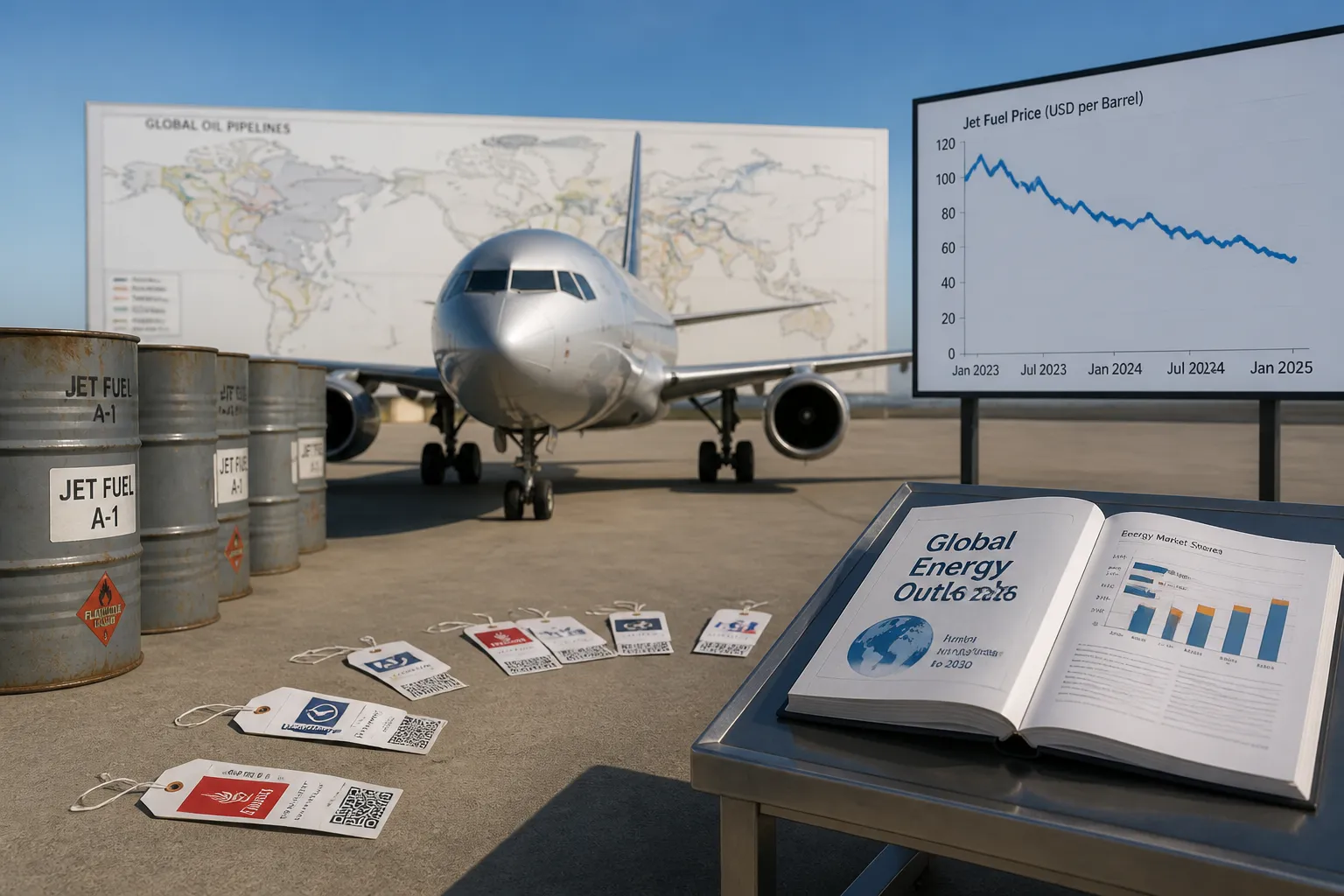
The conflict, which began on February 28 2026, has disrupted global oil supplies by closing the Strait of Hormuz and damaging energy infrastructure in the Persian Gulf. The resulting fuel price surge has put pressure on airlines that rely heavily on jet fuel. United’s management expects prices to fall as the conflict eases, but the current spike has forced a revision of earnings guidance.
Industry analysts note that United’s forecast cut comes at a time when U.S. airline capacity is expected to tighten in the second half of the year. A tighter supply curve can support higher fares, but it also invites greater regulatory scrutiny. United faces additional risks from its aggressive growth plans, rising labor costs, high capital‑expenditure commitments, and FAA‑imposed hub constraints that limit the airline’s ability to add new routes.
In the broader market, Spirit Airlines, an ultra‑low‑cost carrier that had been operating since 1964, ceased all operations on May 2 2026. The airline cited the sharp rise in jet‑fuel prices linked to the Iran war as unsustainable for its low‑cost model and announced plans to file for Chapter 7 bankruptcy.
United’s forecast revision reflects a short‑term challenge but also highlights longer‑term competitive pressures. The airline’s peers are expanding their networks and pursuing new growth strategies, while the domestic market is maturing. United’s position within the Star Alliance and its hub operations at major U.S. airports such as Logan International (BOS) and Dallas‑Fort Worth International (DFW) will be tested as the company balances cost control with service expansion.
The company’s earnings guidance will be revisited in its upcoming July 15 2026 earnings release. Investors will also watch for any changes in fuel‑hedging strategies, labor negotiations, and FAA regulatory decisions that could affect United’s financial outlook.
The 2026 Iran war fuel crisis has already impacted other sectors, including fertilizer and liquefied natural gas, contributing to broader inflationary pressures. United’s experience underscores how geopolitical events can ripple through the airline industry, affecting costs, revenue, and strategic planning.
As the conflict continues to evolve, United Airlines will need to navigate rising operating costs while maintaining its growth trajectory. The company’s ability to manage fuel volatility, labor costs, and regulatory constraints will be critical to its performance in the coming quarters.
The airline’s Q1 results showed a net income of $699 million—an 80 percent increase from the same period last year—on revenue of $14.61 billion. Domestic unit revenue rose 7.9 percent, and United’s shares climbed 1.2 percent after the guidance revision. United said the fuel‑price spike was a temporary effect of the 2026 Iran war fuel crisis, which has pushed jet‑fuel prices higher.
The conflict, which began on February 28 2026, has disrupted global oil supplies by closing the Strait of Hormuz and damaging energy infrastructure in the Persian Gulf. The resulting fuel price surge has put pressure on airlines that rely heavily on jet fuel. United’s management expects prices to fall as the conflict eases, but the current spike has forced a revision of earnings guidance.
Industry analysts note that United’s forecast cut comes at a time when U.S. airline capacity is expected to tighten in the second half of the year. A tighter supply curve can support higher fares, but it also invites greater regulatory scrutiny. United faces additional risks from its aggressive growth plans, rising labor costs, high capital‑expenditure commitments, and FAA‑imposed hub constraints that limit the airline’s ability to add new routes.
In the broader market, Spirit Airlines, an ultra‑low‑cost carrier that had been operating since 1964, ceased all operations on May 2 2026. The airline cited the sharp rise in jet‑fuel prices linked to the Iran war as unsustainable for its low‑cost model and announced plans to file for Chapter 7 bankruptcy.
United’s forecast revision reflects a short‑term challenge but also highlights longer‑term competitive pressures. The airline’s peers are expanding their networks and pursuing new growth strategies, while the domestic market is maturing. United’s position within the Star Alliance and its hub operations at major U.S. airports such as Logan International (BOS) and Dallas‑Fort Worth International (DFW) will be tested as the company balances cost control with service expansion.
The company’s earnings guidance will be revisited in its upcoming July 15 2026 earnings release. Investors will also watch for any changes in fuel‑hedging strategies, labor negotiations, and FAA regulatory decisions that could affect United’s financial outlook.
The 2026 Iran war fuel crisis has already impacted other sectors, including fertilizer and liquefied natural gas, contributing to broader inflationary pressures. United’s experience underscores how geopolitical events can ripple through the airline industry, affecting costs, revenue, and strategic planning.
As the conflict continues to evolve, United Airlines will need to navigate rising operating costs while maintaining its growth trajectory. The company’s ability to manage fuel volatility, labor costs, and regulatory constraints will be critical to its performance in the coming quarters.