Blab Business
Microsoft to Invest Billions in Mistrals European AI Infrastructure, Expanding U.S. Cloud Access
Microsoft announced on Tuesday that it will pour billions of dollars into building out Mistral’s computing infrastructure across Europe, while also extending the French AI startup’s models to its U.S. cloud platform.
Under the deal, Azure customers will be able to develop software using Mistral’s new data centers in France, giving Microsoft extra capacity on the continent and offering regulated industries a viable alternative to U.S.-controlled infrastructure. Mistral has already added its Medium 3.5 and OCR 4 models to Microsoft’s Foundry, and Medium 3.5 is also available in Copilot Studio.
Companies that run independent data centers and connect to Microsoft services through Azure Local will be able to run Mistral’s open models. Those models come with a license that lets customers build AI on their own premises.
The partnership taps a growing appetite in Europe—and beyond—to reduce reliance on U.S. technology. A U.S. decision last month to suspend foreign access to two advanced Anthropic models has only sharpened that urgency.
In a joint interview with Reuters, Microsoft President Brad Smith and Mistral CEO Arthur Mensch said the collaboration is designed to deliver sovereignty while still granting access to U.S. software and security features. Smith highlighted that positioning Mistral’s models on both Azure Local and on Mistral’s own compute capacity would blend American and European technology and provide continuous, assured access.
The agreement does not involve a new equity stake in Mistral. Mensch declined to comment on a Bloomberg report that the startup was in talks to raise around €3 billion at a €20 billion valuation.
Based in Paris, Mistral has positioned itself as one of Europe’s leading AI companies, targeting manufacturing, financial services and defense, and securing business from France’s armed forces. The company’s valuation remains lower than U.S. peers such as Anthropic.
Mistral is aiming for 1 gigawatt of compute capacity by 2030. While the Microsoft agreement’s terms were not disclosed, it validates the company’s strategy, and the two firms are also working on a joint go‑to‑market plan.
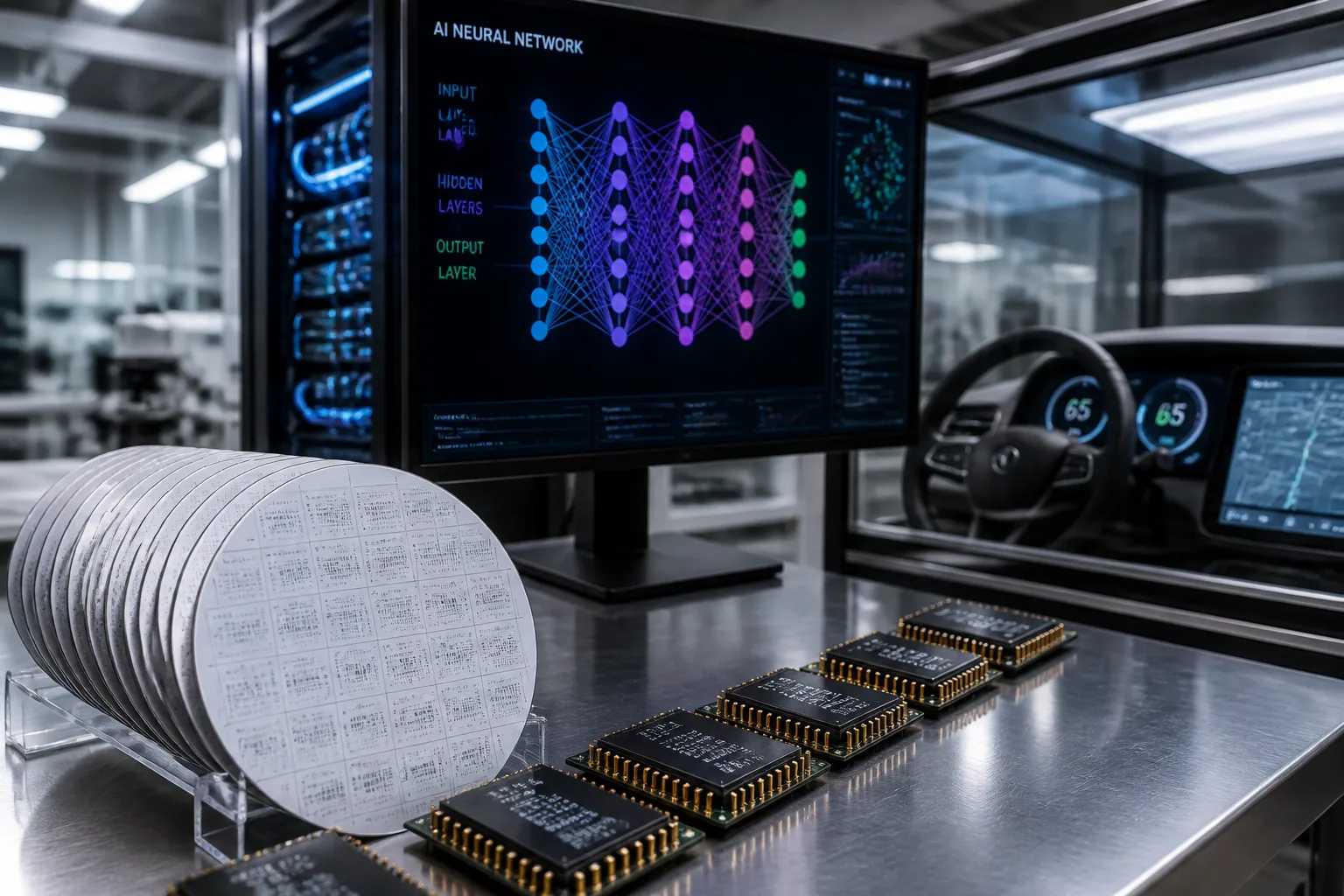
Nvidia chips—key to the global AI boom—power Mistral’s data‑center buildout. Nvidia is a shareholder in Mistral, and Microsoft is a shareholder in Nvidia.
The partnership fits into a broader European effort to strengthen technological sovereignty. The European Commission’s 2026 tech‑sovereignty package includes measures to boost the EU’s capacity in semiconductors, cloud, and AI.
Although the deal does not create a new equity relationship, it gives Microsoft additional European compute resources and offers Mistral a larger platform for its models. The collaboration is expected to help both companies grow.
Microsoft continues to expand its AI offerings, integrating Mistral’s Medium 3.5 into its Foundry and Copilot Studio and supporting open models that customers can run on their own infrastructure.
The partnership also underscores the challenges of achieving true sovereignty: even though the new data centers will sit in France, the underlying hardware—such as Nvidia GPUs—remains U.S.‑designed.
In summary, Microsoft’s multibillion‑dollar investment in Mistral’s European infrastructure and the expansion of model distribution through Azure represent a significant step toward greater AI autonomy in Europe. The deal provides regulated industries with an alternative to U.S. cloud services while maintaining access to Microsoft’s software and security capabilities.
The current situation remains that Microsoft has committed to funding Mistral’s European expansion, but no new equity stake has been announced. Mistral’s valuation and funding plans are still under discussion, and the broader impact on the European AI market will become clearer as the new data centers come online.
Under the deal, Azure customers will be able to develop software using Mistral’s new data centers in France, giving Microsoft extra capacity on the continent and offering regulated industries a viable alternative to U.S.-controlled infrastructure. Mistral has already added its Medium 3.5 and OCR 4 models to Microsoft’s Foundry, and Medium 3.5 is also available in Copilot Studio.
Companies that run independent data centers and connect to Microsoft services through Azure Local will be able to run Mistral’s open models. Those models come with a license that lets customers build AI on their own premises.
The partnership taps a growing appetite in Europe—and beyond—to reduce reliance on U.S. technology. A U.S. decision last month to suspend foreign access to two advanced Anthropic models has only sharpened that urgency.
In a joint interview with Reuters, Microsoft President Brad Smith and Mistral CEO Arthur Mensch said the collaboration is designed to deliver sovereignty while still granting access to U.S. software and security features. Smith highlighted that positioning Mistral’s models on both Azure Local and on Mistral’s own compute capacity would blend American and European technology and provide continuous, assured access.
The agreement does not involve a new equity stake in Mistral. Mensch declined to comment on a Bloomberg report that the startup was in talks to raise around €3 billion at a €20 billion valuation.
Based in Paris, Mistral has positioned itself as one of Europe’s leading AI companies, targeting manufacturing, financial services and defense, and securing business from France’s armed forces. The company’s valuation remains lower than U.S. peers such as Anthropic.
Mistral is aiming for 1 gigawatt of compute capacity by 2030. While the Microsoft agreement’s terms were not disclosed, it validates the company’s strategy, and the two firms are also working on a joint go‑to‑market plan.
Nvidia chips—key to the global AI boom—power Mistral’s data‑center buildout. Nvidia is a shareholder in Mistral, and Microsoft is a shareholder in Nvidia.
The partnership fits into a broader European effort to strengthen technological sovereignty. The European Commission’s 2026 tech‑sovereignty package includes measures to boost the EU’s capacity in semiconductors, cloud, and AI.
Although the deal does not create a new equity relationship, it gives Microsoft additional European compute resources and offers Mistral a larger platform for its models. The collaboration is expected to help both companies grow.
Microsoft continues to expand its AI offerings, integrating Mistral’s Medium 3.5 into its Foundry and Copilot Studio and supporting open models that customers can run on their own infrastructure.
The partnership also underscores the challenges of achieving true sovereignty: even though the new data centers will sit in France, the underlying hardware—such as Nvidia GPUs—remains U.S.‑designed.
In summary, Microsoft’s multibillion‑dollar investment in Mistral’s European infrastructure and the expansion of model distribution through Azure represent a significant step toward greater AI autonomy in Europe. The deal provides regulated industries with an alternative to U.S. cloud services while maintaining access to Microsoft’s software and security capabilities.
The current situation remains that Microsoft has committed to funding Mistral’s European expansion, but no new equity stake has been announced. Mistral’s valuation and funding plans are still under discussion, and the broader impact on the European AI market will become clearer as the new data centers come online.