Blab Business
Spangler Candy Company Keeps Nostalgia Sweet with Strategic Brand Revivals
In a candy aisle that’s constantly being reshaped by new flavors, Spangler Candy Company is keeping its sweet past alive. The 120‑year‑old family business, headquartered in Bryan, Ohio, is now in its fourth generation of family leadership and reports annual sales growth of 3‑5 %. A recent 50 % jump in Bit‑O‑Honey sales after a recipe and packaging overhaul underscores the company’s ability to breathe new life into familiar treats.
Spangler’s roots stretch back to 1906, when it began as a baking‑soda and cornstarch manufacturer. Two years later, the company entered the confectionery arena, and since then has built its identity around classic candies that have endured for decades. Its flagship lollipop, the multicolored Dum‑Dums, was acquired in 1953 and now churns out 2.3 billion pieces each year. The firm also dominates the U.S. candy‑cane market, supplying roughly 45 % of all canes sold nationwide.
The company’s growth strategy centers on purchasing distressed or bankrupt brands and restoring them to their original form. In 2018, Spangler won the auction for the assets of the defunct New England Confectionery Company (Necco), taking ownership of Sweethearts conversation hearts, Necco Wafers, and Canada Mints. It chose to preserve the original recipes and packaging of Necco Wafers, citing consumer demand for nostalgia.
The most recent acquisition was Bit‑O‑Honey in 2020, when Spangler bought the brand from Pearson’s Candy. According to Spangler’s vice‑president of marketing, Evan Brock, the company “realized it needed some TLC.” The honey‑taffy bars were softened, more almonds were added, and the juvenile bee mascot was replaced with a more mature design. These changes were aimed at an adult consumer base and were rolled out in 2021. Sales of Bit‑O‑Honey rose 50 % in the following year, a figure that the company credits to the recipe restoration.
Sweethearts, acquired in the same transaction, also received a modest update. The company re‑introduced the classic flavor mix and original crunch, while adding contemporary messages such as “Love in This Economy,” “Split Rent,” and “Buy n bulk.” The new sayings generated media attention ahead of Valentine’s Day and reinforced the brand’s reputation as the only candy that “speaks.”
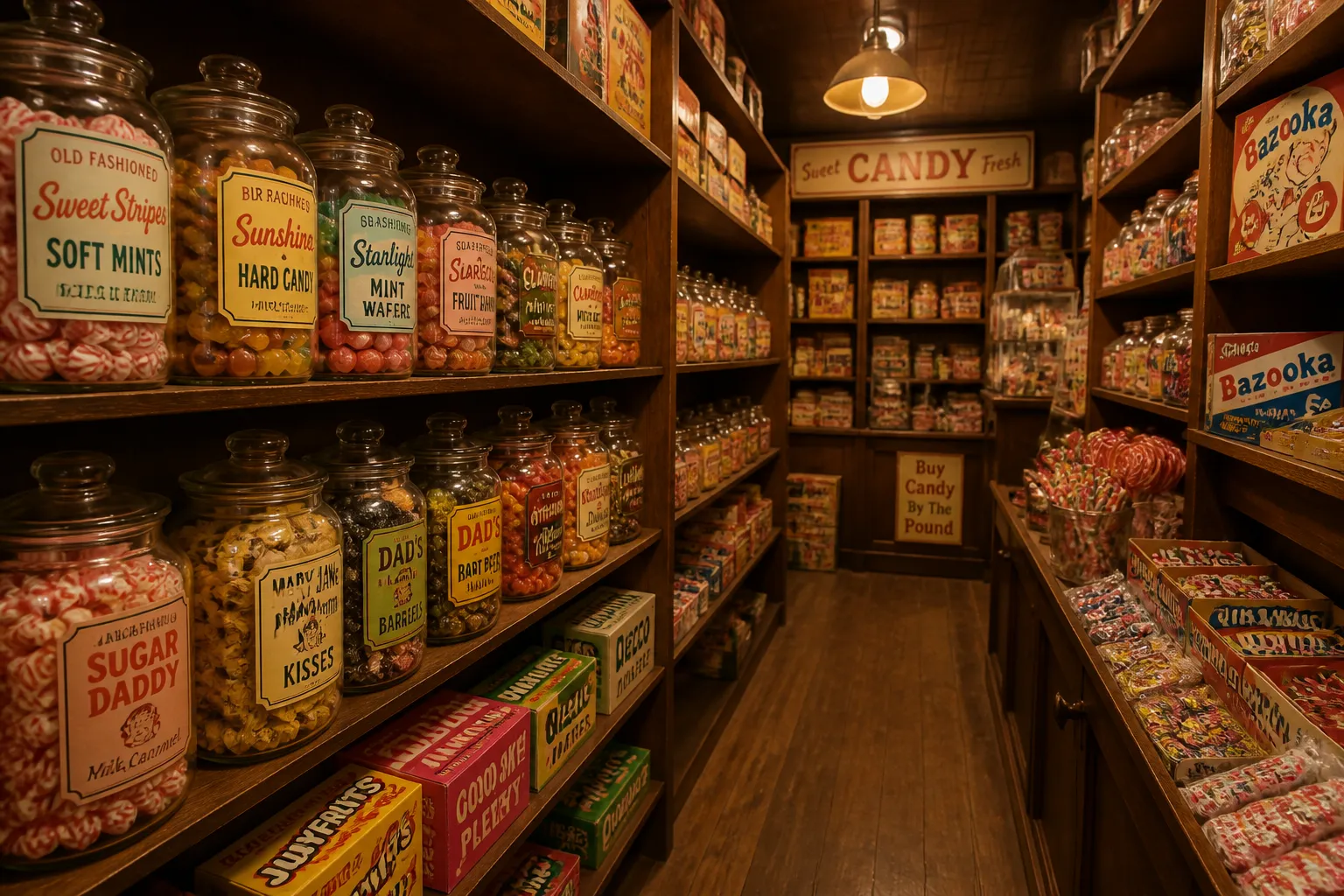
Spangler’s approach is not uniform across its portfolio. After acquiring Necco’s assets, the company opted to leave Necco Wafers unchanged, noting that “changing the nearly 200‑year‑old candy could actually damage the brand.” This selective strategy reflects a broader philosophy that nostalgia is a powerful differentiator in a market dominated by chocolate, caramel, and crispy‑bit brands.
The company’s modest growth is supported by its strong regional presence. Spangler is the second‑largest employer in Bryan, Ohio, and the town’s identity as the “Dum‑Dums Capital of the World” is tied to the candy’s production. The company’s production facilities also produce over 12 million Dum‑Dums per day.
Spangler remains privately held, and its financial results are not publicly disclosed. However, the company’s steady sales growth, strategic acquisitions, and brand revitalization efforts suggest a stable trajectory. The next public update is expected to come from the company’s next quarterly earnings release, which will likely detail the performance of its refreshed brands.
In an industry where large chocolate makers dominate shelf space, Spangler’s focus on heritage and careful brand stewardship provides a niche that continues to resonate with consumers who value the taste of classic candy.
Spangler’s roots stretch back to 1906, when it began as a baking‑soda and cornstarch manufacturer. Two years later, the company entered the confectionery arena, and since then has built its identity around classic candies that have endured for decades. Its flagship lollipop, the multicolored Dum‑Dums, was acquired in 1953 and now churns out 2.3 billion pieces each year. The firm also dominates the U.S. candy‑cane market, supplying roughly 45 % of all canes sold nationwide.
The company’s growth strategy centers on purchasing distressed or bankrupt brands and restoring them to their original form. In 2018, Spangler won the auction for the assets of the defunct New England Confectionery Company (Necco), taking ownership of Sweethearts conversation hearts, Necco Wafers, and Canada Mints. It chose to preserve the original recipes and packaging of Necco Wafers, citing consumer demand for nostalgia.
The most recent acquisition was Bit‑O‑Honey in 2020, when Spangler bought the brand from Pearson’s Candy. According to Spangler’s vice‑president of marketing, Evan Brock, the company “realized it needed some TLC.” The honey‑taffy bars were softened, more almonds were added, and the juvenile bee mascot was replaced with a more mature design. These changes were aimed at an adult consumer base and were rolled out in 2021. Sales of Bit‑O‑Honey rose 50 % in the following year, a figure that the company credits to the recipe restoration.
Sweethearts, acquired in the same transaction, also received a modest update. The company re‑introduced the classic flavor mix and original crunch, while adding contemporary messages such as “Love in This Economy,” “Split Rent,” and “Buy n bulk.” The new sayings generated media attention ahead of Valentine’s Day and reinforced the brand’s reputation as the only candy that “speaks.”
Spangler’s approach is not uniform across its portfolio. After acquiring Necco’s assets, the company opted to leave Necco Wafers unchanged, noting that “changing the nearly 200‑year‑old candy could actually damage the brand.” This selective strategy reflects a broader philosophy that nostalgia is a powerful differentiator in a market dominated by chocolate, caramel, and crispy‑bit brands.
The company’s modest growth is supported by its strong regional presence. Spangler is the second‑largest employer in Bryan, Ohio, and the town’s identity as the “Dum‑Dums Capital of the World” is tied to the candy’s production. The company’s production facilities also produce over 12 million Dum‑Dums per day.
Spangler remains privately held, and its financial results are not publicly disclosed. However, the company’s steady sales growth, strategic acquisitions, and brand revitalization efforts suggest a stable trajectory. The next public update is expected to come from the company’s next quarterly earnings release, which will likely detail the performance of its refreshed brands.
In an industry where large chocolate makers dominate shelf space, Spangler’s focus on heritage and careful brand stewardship provides a niche that continues to resonate with consumers who value the taste of classic candy.