Blab Business
Kweichow Moutai Raises Feitian Moutai Prices for Second Time Amid Baijiu Slump
When Kweichow Moutai announced on July 18, 2026 that it would raise the retail price of its flagship Feitian Moutai, the news caught the attention of a baijiu market that has been in decline for more than a year.
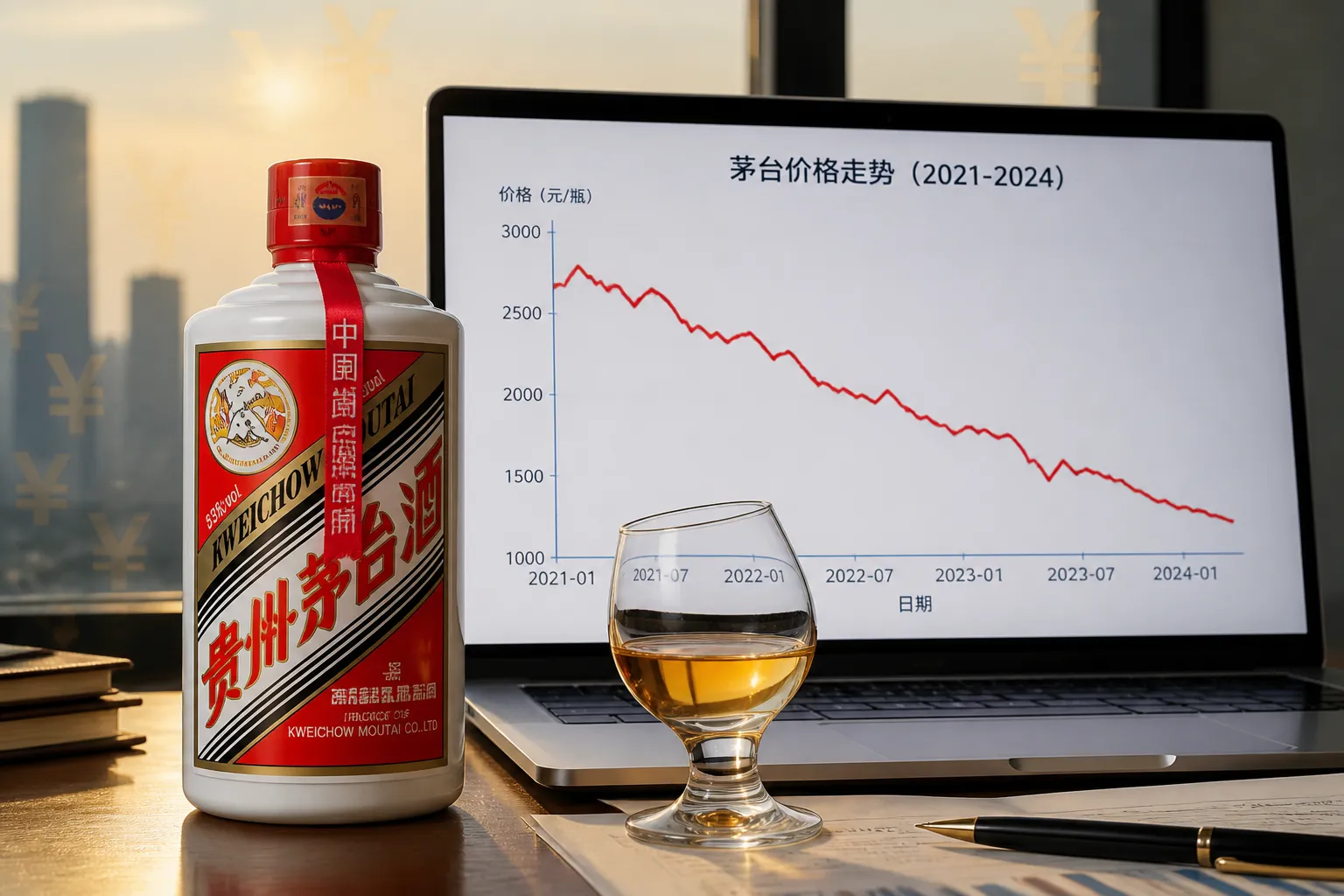
The company lifted the price of the 500‑ml bottle to 1,639 RMB ($241.80), a 100 RMB increase over the 1,539 RMB level that had been in place since March. Wholesalers and distributors will now pay 1,369 RMB, up 100 RMB from the previous 1,269 RMB.
This is the second adjustment in less than six months. On March 31, 2026, Kweichow Moutai raised its ex‑factory price from 1,169 RMB to 1,269 RMB and the retail price in its own channels from 1,499 RMB to 1,539 RMB. Prior to that, the price had remained unchanged since 2023.
Shares of the company surged up to 4.2 % on the day the change was announced. Market observers read the move as a defensive effort to shore up margins in a sector that has been facing a prolonged downturn.
The baijiu market has contracted for more than a year. According to the China Alcoholic Drinks Association’s 2025 Mid‑term Research Report on China’s Liquor Market, 58.1 % of liquor companies reported increased channel inventory pressure in the first half of 2025, over half of distributors and retailers noted a rise in price inversion, and more than 40 % of retailers said they were facing cash‑flow pressures.
In the first three quarters of 2025, the combined revenue of 20 A‑share listed liquor companies totaled 317.79 billion RMB, a year‑on‑year decline of 5.90 %. Net profit for the same period fell 6.93 % to 122.571 billion RMB.
Kweichow Moutai’s own performance mirrored the broader slump. Net profit for 2025 was 82.32 billion RMB ($12.07 billion), a 4.5 % decline from the previous year. Revenue fell 1.2 % to 168.84 billion RMB, both figures below market expectations and short of the company’s own guidance. It was the first annual drop in profit and revenue since the company was listed on the Shanghai Stock Exchange in 2001.
The price increase comes as premium baijiu consumption appears to be bottoming out. Galaxy Securities noted that multiple hikes by Kweichow Moutai this year suggest a stagnation in demand for high‑end baijiu.
Other major producers—Wuliangye Yibin, Luzhou Laojiao, Yanghe, and Xinghuacun—have also reported significant declines in sales and profitability, according to industry analysts.
While the hike may provide a short‑term boost to margins, it also signals the challenges facing the sector. Inventory levels, price inversion trends, and cash‑flow pressures indicate that demand for premium baijiu may remain subdued.
Investors will be watching Kweichow Moutai’s upcoming earnings report for further guidance on how the price adjustment will affect profitability. The company’s share price has already reflected a modest rally, but the broader baijiu market remains in a period of decline.
In summary, Kweichow Moutai’s second price increase in 2026 is a defensive move aimed at protecting margins amid a sustained slump in the baijiu market. The adjustment follows a broader industry trend of inventory pressure and price inversion, and it comes after the company reported its first annual profit decline since 2001. The impact of the hike on long‑term profitability and market share remains to be seen as the company prepares its next earnings release.
The company lifted the price of the 500‑ml bottle to 1,639 RMB ($241.80), a 100 RMB increase over the 1,539 RMB level that had been in place since March. Wholesalers and distributors will now pay 1,369 RMB, up 100 RMB from the previous 1,269 RMB.
This is the second adjustment in less than six months. On March 31, 2026, Kweichow Moutai raised its ex‑factory price from 1,169 RMB to 1,269 RMB and the retail price in its own channels from 1,499 RMB to 1,539 RMB. Prior to that, the price had remained unchanged since 2023.
Shares of the company surged up to 4.2 % on the day the change was announced. Market observers read the move as a defensive effort to shore up margins in a sector that has been facing a prolonged downturn.
The baijiu market has contracted for more than a year. According to the China Alcoholic Drinks Association’s 2025 Mid‑term Research Report on China’s Liquor Market, 58.1 % of liquor companies reported increased channel inventory pressure in the first half of 2025, over half of distributors and retailers noted a rise in price inversion, and more than 40 % of retailers said they were facing cash‑flow pressures.
In the first three quarters of 2025, the combined revenue of 20 A‑share listed liquor companies totaled 317.79 billion RMB, a year‑on‑year decline of 5.90 %. Net profit for the same period fell 6.93 % to 122.571 billion RMB.
Kweichow Moutai’s own performance mirrored the broader slump. Net profit for 2025 was 82.32 billion RMB ($12.07 billion), a 4.5 % decline from the previous year. Revenue fell 1.2 % to 168.84 billion RMB, both figures below market expectations and short of the company’s own guidance. It was the first annual drop in profit and revenue since the company was listed on the Shanghai Stock Exchange in 2001.
The price increase comes as premium baijiu consumption appears to be bottoming out. Galaxy Securities noted that multiple hikes by Kweichow Moutai this year suggest a stagnation in demand for high‑end baijiu.
Other major producers—Wuliangye Yibin, Luzhou Laojiao, Yanghe, and Xinghuacun—have also reported significant declines in sales and profitability, according to industry analysts.
While the hike may provide a short‑term boost to margins, it also signals the challenges facing the sector. Inventory levels, price inversion trends, and cash‑flow pressures indicate that demand for premium baijiu may remain subdued.
Investors will be watching Kweichow Moutai’s upcoming earnings report for further guidance on how the price adjustment will affect profitability. The company’s share price has already reflected a modest rally, but the broader baijiu market remains in a period of decline.
In summary, Kweichow Moutai’s second price increase in 2026 is a defensive move aimed at protecting margins amid a sustained slump in the baijiu market. The adjustment follows a broader industry trend of inventory pressure and price inversion, and it comes after the company reported its first annual profit decline since 2001. The impact of the hike on long‑term profitability and market share remains to be seen as the company prepares its next earnings release.








